There is a wonderful story about a 6 year old girl. She was a pain in the neck usually. She was persistently distracted, chit-chatting to the other children, gazing out the window and generally causing trouble.
One day however, during a drawing class, she was completely engrossed. Her teacher, fascinated (and somewhat relieved), went to see what had captured her attention.
“What are you drawing?” the teacher enquired.
“God” the girl said plainly, without looking up.
Naturally the teacher was bemused. “But, I’m not sure anyone knows what God looks like”
Without hesitation, the girl replied “Well they will in a minute.”
Ken Robinson was a fascinating force in the world. His Ted talk about schools killing creativity was on of the first Ted talks ever released on YouTube. This is an adaptation of a story in his book The Element which talks extensively about the benefits of finding the place where your passion and creativity combine.
For him, the story demonstrated the immutable confidence that children have in their creative potential, something that is beaten out of us grown ups by ever narrower standardised testing and calcified corporate culture.
The key to unlocking a better world, according to Ken Robinson, is for all of us to embrace this intersection between passion and creativity.
In most of our interactions, we are probably trying to persuade someone of something. Sometimes it’s a friendly tiff with our friends, sometimes it’s trying to pry a refund out of customer support, or potentially it’s trying to persuade a bouncer that your mate’s fine.
Whether we’re hoping to sell a particular idea or just the idea that we’re a cool dude, knowing some sales tips can make a huge difference.
This series is designed to look at some of the key ideas that sales people are taught, along with wisdom from other areas such as hostage negotiation and relationship counselling that might help turn the tables slightly during those moments where a little persuasion can go a long way.
Tip # 1
SPIN Selling
“You’ve got 2 ears and one mouth for a reason”. A famous castigation from parents through the ages and something everyone has been told throughout their lives. It’s great advice without a doubt but there is another layer that is worth considering.
Listening to the another person can sometimes give you essential clues to their hopes, dreams, aversions and desires. But people don’t always want to give these things away so easily. It’s important to listen but also pay attention to what they don’t say. This will likely provide clues about areas they may be avoiding or things they simply don’t know how to articulate.
SPIN was a technique developed by Neil Rackham in 1988 to help uncover these nuggets of info. It suggests some themes for questions that will help you understand a person’s perspective and the things that might nudge them forward or could be holding them back. It focuses on layered questioning, the answers to which can be used to present options that might help whoever you’re talking to.
While they are meant to asked loosely in order, the most proficient questioners zip between each section as new information arises in order to get a complete picutre.
These questions are about the state of play and what’s happening, who’s involved and what’s at stake.
For example:
What do you want to get out of this?
Where should we start?
What do you see happening next?
Have you done anything like this before? What happened?
Ideally these questions provide context for what’s happened before the conversation and what is likely to happen after. This will help you narrow the conversation down to a more manageable arena and provide the foundation for the rest of the discussion.
P – Problem
This is where things start to get juicy. These questions focus on what needs to be fixed or what could be going better. They are meant to focus on the facts that have been eked out through Situation questions. While the situation questions tend to be more open, problem questions are designed to hone in on specific issues. You may hear more phraseology like:
So it sounds like this might be a problem?
This looks good, but this feels like it could be better?
Would changing this help?
There is a shift in tone as this type of probing can be a little personal. Using phrases like “it feels like” and “it sounds like” are non-committal and non-threatening (something that will be covered in detail later) and also encourages people to correct you if you’ve misunderstood. The idea is to garner a mental list of what is keeping someone up at night so you can align your insight and experience with this in order to help.
I – Impact
Now that you have a rough idea of the territory surrounding the conversation and you’ve uncovered some problems that need solving, the next stage is to prioritise them. This can help you understand what will help them the most and make the biggest difference. Knowing this can be a black swan when it comes to persuading someone. For a friend, their problem may be impacting their quality of life, for a client, the problem might be impacting revenue generation. The point is to try and ask more emotive questions about the problems uncovered.
For example:
What’s problem X stopping you being able to do?
If you fixed problem Y, what would happen then?
How does problem Z make you feel about the future?
What happens if you ignore problem X?
What impact is this having for other people in this situation?
From a true sales perspective, being able to prioritise the problem can help you create value and help you understand where the price point should be. For a friend, it will help you understand the help they might value the most.
N – Needs Payoff
Finally, these questions tie the whole thing together. They combine the situation and problems with the impacts and present options for the person that will help them the most in any given situation. It also allows you to put a point of view across while speaking their language (another point we’ll discuss in more detail). When someone feels like they have been listened to and are having a new point of view suggested to them in language they feel comfortable with, they are more likely to be open to it. Needless to say, it’s great here if you can provide some actual help that will lessen the impact and fix some problems.
These are the least general questions out of all of them because by this point, you should know a lot about the person, what’s happening and what it’s doing to them . However, I’ve included some general themes you could consider as a guide:
If we did this together, would that help you feel less of the impact of your problem?
Do you feel that doing this would make problem X better?
It sounds like changing this particular element would save you a lot of money?
Like all techniques, the most important thing when trying to persuade is to remember that both parties are human. This means that people can use different words, phrases, emphasis and litotes – all can lead to confusion and miscommunication. In the end, few things can beat genuine curiosity and connection.
“You see, that money should be going to look after our pensioners”
My eyes were drawn to the little fleck of foam gathering at the corner of his mouth, dappled white highlighted against the yellow of his teeth and the rosy red of his cheeks.
I agreed. Then I thought of all the other places that money could be going. To our children. To our hard-working compatriots who work fingers to the bone making billions for other people every day. To the nurse who scolded a doctor for being mean to my gran. To my binman who picks up the detritus of my life every Tuesday and takes it away.
The man started showing me a video on Facebook, liked and shared by thousands.
In it, a crowd gathered in white hot fury, shouting at a too-thin man, all bones and wide eyes and brown skin, a universal look of fear and desperation on his face. I think briefly of Zuck, with his PR curled hair, curated silver chain, and billions of dollars.
I have a bit of the man’s spit on my face now. I can feel it. Do I wipe it off? Maybe he will. The image of him caressing his spit off my face pops into my head, and I recoil. That would definitely be worse.
At least it’s not blood, I reflect. It’s not the maimed remnants of my loved ones, blown apart by a missile, driven by technology from BAE Systems. Up 28% this year. Lucky them.
It’s fine, it’s just a little bit of spit. It could be worse.
There’s a pause in the man’s tirade, but before I can speak, he sucks in a great whoosh of air. His big gulp pulls all the oxygen from the room. I feel it rushing out of my lungs, and suddenly I can’t breathe.
I pass out, I think.
When I come to, night has fallen. A thin mist sits over the ground. I don’t know how long I was out. I sit up, heaving in great gasps. As I look, the moon casts its shadows, silver and delicate and long.
“Good”, I think “, some things never change”. The cycle of the moon. I smile and look up to see a familiar face. Someone has painted a giant cross of St George over its surface. It’s still the moon, but now its craters and ridges and ancient regolith are split by deep crimson.
Sombrely, I look back at the ground and rise gingerly to my feet. I wipe my face. I try to remember the way home.
Timothy Snyder’s book On Tyranny points to 20 lessons to help us think more about the world. Democracy is not a right, it’s a luxury. Freedom isn’t a given; it was taken through decades of struggle and revolution. They are delicate and fragile things, easily broken by the broken people currently in charge of the world.
Do not obey in advance – Authoritarians rely on people pre-emptively adjusting their behaviour to align with expected rules.
Defend institutions – Courts, media, and democratic structures only survive if people actively support them.
Beware the one-party state – Dominant parties erode checks and balances, undermining democracy.
Take responsibility for the face of the world – Small signs (symbols, slogans, propaganda) normalise tyranny if left unchallenged.
Remember professional ethics – Lawyers, doctors, police, and civil servants have moral duties that must stand above obedience to power.
Be wary of paramilitaries – Extra-legal militias or “volunteer” forces often signal growing authoritarian control.
Be reflective if you must be armed – Soldiers and police should consider whether orders are lawful and moral.
Stand out – It takes courage to resist early, but visible dissent inspires others.
Be kind to our language – Tyrants corrupt truth with clichés, propaganda, and euphemisms; resisting requires clear, honest language.
Believe in truth – Facts matter; without them, there is no way to resist manipulation.
Investigate – Read widely, especially print journalism, to avoid being trapped in echo chambers.
Make eye contact and small talk – Social trust and human connections build solidarity against fear and isolation.
Practice corporeal politics – Show up physically: protests, town halls, community meetings matter.
Establish a private life – Protect your privacy from surveillance and intrusion by the state or corporations.
Contribute to good causes – Support organisations that defend rights and democracy.
Learn from peers in other countries – Democracies elsewhere may already face what yours could face; watch and learn.
Listen for dangerous words – Phrases like “terrorism,” “extremism,” or “traitors” can be weaponised to justify repression.
Be calm when the unthinkable arrives – Crises are exploited by authoritarians; keep perspective when shocks occur.
Be a patriot – True patriotism means serving democratic ideals, not a single leader.
Be as courageous as you can – Freedom depends on individuals taking risks, however small, to defend it.
The desert whipped at his face and clawed at his eyes, but he dared not blink. His hand hovered near his holster. His eyes were wide, raptor-like, waiting for the tell. A shift of weight, perhaps, or a twitch in the trigger finger. Somewhere nearby, a rusty hinge squeaks and a saloon door bangs shut. You see, in this world, there are two kinds of people – those who read this and imagine the haunting melody of Ennio Morricone. And those who don’t, but would recognise it if they heard it.
The western genre was wildly popular throughout the 20th century. They were Stalin’s favourite (but don’t let that put you off). In almost all of them, the story is the same. A rugged, morally ambiguous hero brings their own principled justice into the lawless Badlands of the deep west.
As of 2025, the popularity of Westerns is at an all-time low. They have given way to CGI science fiction and beefy superheroes. The genre still exists, but in fusion form. If you want a modern western, try something like No Country For Old Men, The Revenant, or Justified – westerns all, with dollops of modernity. Even Mr Bates vs The Post Office has a Western vibe.
But looking at IMDB, the days of a gun-tottin’ cowboy are diminished.
They were called Westerns because they all took place in the Wild West, the frontier out beyond the populated East Coast of the United States; a land of natives where seams of pure gold criss-crossed the arid plains. It was considered wild because civilisation had not yet kissed that part of America (some places are still waiting). It was lawless. Any order was imposed through the threat or execution of violence. And that makes them interesting.
Journalist Malcolm Gladwell believes that the Western film is much more than simply a direction of travel. It forms an archetype, one that has 3 siblings – The Eastern, The Northern, and The Southern. These four categories all tell stories in relation to power, but the stories and the lessons are very different for each.
Consider the cowboy. Picture Clint Eastwood in his prime. Steely gaze. Cool as hell. Our protagonist in a Western is confident. They are principled. In short, they bring a form of order into a disorderly world. In the Eastern genre, our protagonist is the polar opposite. We’re introduced to a naïve, lost soul. They’re an outsider, a misfit living in a world that is good and wholesome, if only they could overcome themselves and realise their potential.
These stories are usually transformational or coming-of-age. Think Good Will Hunting – Matt Damon is a lost, angry, wild genius who meets someone worldly and wise, who has been there, done that, and painted the picture. Slowly, through a series of beautiful monologues, British sass and a strange reference to apples, he conforms, integrates and realises his potential.
Good Will Hunting is a great movie, but in reality, you could take anything Disney has made over the last 100 years and it fits this mould. If you want to “Go The Distance” or if you “Just Can’t Wait To Be King”, then you’re probably in an Eastern.
For a Northern film, the existing power structure needs to be good here too. The difference between an Eastern and a Northern is that our Protagonist knows it’s good, and so their primary role is to protect and preserve it. They are confident and self-aware. Selfless in many cases. They are not basement-dwelling depressives who need to get a job. The Northern hero guards and maintains the status quo against those who would seek to poison and destroy it.
Now, that’s not to say there’s not a little room for personal growth. The better stories have a bit of that in them. But usually, the protagonist is a good person (occasionally tortured), who does one thing – kill the bad guy.
Enter Marvel – the money-making superhero rollercoaster that churns out so many cash cows it’s a surprise they’ve not tried to sponsor the Taj Mahal. Every single film or series follows this trope. In fact, most of the big franchises, from Lord of the Rings to Star Wars, are Northern stories through and through. In each case, the job of the hero is to protect obviously benevolent systems of power from evil. And, if there’s time to hit the gym in between showdowns, why not?
Here’s where we flip the script. Our protagonist in a Southern may be self-aware, they might not be. But in every case, they are fighting against an oppressive, broken, tyrannical system of power. These are where dystopian fiction sits. Our protagonist is Winston from 1984, Ofred from The Handmaid’s Tale, V from V for Vendetta, Guy in Fahrenheit 451, and Bernard in Brave New World.
The Southern is the most complex of all the points on this compass. Revolution is their only salvation. They need to overthrow the system in which they operate. But at what cost? Southern protagonists often lose themselves in the process of these stories, either at the hand of the decayed and malignant system they’re trying to destroy, or through their own extremism, committing actions which lead you as the audience to question their ethics and humanity. After all, one person’s terrorist is another’s freedom fighter, no?
Parallels and Pathetic Symmetry
You might have noticed something. These siblings sit opposite each other for a reason. The surly confidence of the Western Clint Eastwood Cowboy is diametrically opposed to the naïve guilelessness of Moana. In each case, the world they live in is the constant. They must change themselves throughout the course of the story, through personal heroics and individual decisions. But the Western protagonist is confident in their actions and does good despite the world they live in. The Eastern protagonist is resistant and must conform and integrate into the world to succeed.
For Northern and Southern stories, it’s the worlds themselves that change. Our protagonist is pretty similar. They’re both battling evil; it just depends on which side of the fence they’re starting from.
Here There Be Monsters
Walt Disney was a prolific smoker, but as it became clear that cigarettes were deadly, his archived behaviour didn’t fit the corporation’s family-friendly tone. So they simply changed history and edited the photos to remove them. They didn’t have the technology to change the telltale position of his fingers, however, leading to these bizarre pictures.
We should be worried about the decline of Westerns. Dystopian fiction is also way down, if we ignore the retelling of old stories (or simply reading the newspaper every day).
J.R. Tolkien hated Disney. He viewed their insipid retelling of often brutal fairy tales as destructive. Not to ruin anyone’s childhood, but in the originals, Snow White was a slave and the Hunchback of Notre Dame doesn’t get the girl – he’s hunted and likely killed.
For Tolkien, these stories survived millennia because they taught us lessons about betrayal, malice, peril, and disaster. Like the tales of the Norse Gods or sermons in the bible, they contained hard-earned human wisdom of which, as a short-lived and dim-witted species, we desperately need reminding.
So we should be worried about the disappearance of Westerns and Southerns because they teach us important lessons. Firstly, beyond the comfort of Netflix and civilised society, the world is still a pretty wild place. It’s only a tenuous mutual agreement that keeps it all together. We need to be principled in our actions, in the interest of the greater good. That takes courage. And cowboys make courage look cool, even if they happen across some buried treasure during the process.
Dystopia and other Southern genre films teach us that structures like liberty, democracy, and choice are a luxury. Society isn’t always good. It can become twisted and broken and evil. They warn us that the cost of letting these things go to shit is very high. The effort required to get them back once they’ve been lost is even higher. At best, the journey back to freedom could cost your life. At worst, it will claim your soul.
That’s not to say there aren’t lessons in the defined jawlines and banal platitudes of Captain America, or the naivety of every Disney lead since 1937 – there are. But when the sheer volume of the stories that come from Hollywood these days is so heavily weighted exclusively in a North-Easterly direction, this is bad.
When every film we watch tells us that the existing order is good, where we must conform to prosper else defend it to the death, we are missing important perspectives.
We would do ourselves a favour to consider the lessons we might be missing.
P.S. Game of Thrones is one of the most popular TV shows of our time. It’s interesting because, through the eyes of the different characters, it represents all four of these arcs at some point in the plot. Its wild popularity suggests that just because Hollywood isn’t making complex drama anymore, that doesn’t mean people don’t crave it.
It was beyond clear it was time to pay up. The surrounding murmur grew quiet as he reached into his pocket. He pulled out a bundle of cash, ten thousand, twenty thousand at least. He held a cigarette in his teeth, the blue smoke curling up and around the brim of his Stetson hat.
“Keep the change”
Who is this maverick? What kind of adrenaline-fuelled, high-stakes situation has he got himself into?
In reality, he’s just a guy in Argentina paying for dinner.
In 2024, the country’s annual inflation rate hit more than 300%. Things that were once worth tens of pesos are now worth thousands. The treasury can’t keep up. Up until recently, the largest denomination was 2000 pesos. That was worth £1.50 at the time of writing.
This has changed with the introduction of a 10,000 bill and even more recently a 20,000 pesos bill.
I am always nosey when I visit a new Airbnb. If there are pots to be explored or drawers left unlocked, I can’t help but pry. It gives me a glimpse into the hidden lives of my hosts and lets me conjure little stories about the lives they have lived.
In Buenos Aries, in a large Edwardian building of many stories, like a pig, I was truffling. I always do this at new AirBnBs. I love to explore the little containers, jars, shelves and drawers. Our host was fascinating, a rich bookshelf, and mannequins adorned with half-finished outfits. Naked brickwork and a skylight made out of inlaid spirit bottles. I loved these people. It was one of those flats where the hosts had poured their personality into the mortar and their soul into the very air of the place. It smelled like an old bookshop.
As I was rummaging, I came across a little clay pot (one of my favourite items to nose around in). Inside were a pile of 1 peso coins. I picked it up and held it in the light. The jar held 17 pesos in coins. A year ago, this would have been enough for a metro ticket across the city. Overnight, the new administration stripped away subsidies for public transport, increasing the price of the fare to more than 400 pesos. I put the coins back gingerly, very aware that the metal in the coin was worth more than their value.
Luckily these policies don’t hurt the rich. Just, as usual, everybody else.
At the time of writing, £200 = ~ARS 300,000
El Futilidad
Is it a coincidence that two countries who butted heads over a piece of rock in the Atlantic Ocean are now so fucked?
The Falklands War cost both countries billions of dollars.
In Argentina, inflation is through the roof as the government scrambles to address the deficit with a number of libertarian, classic conservative and populist moves.
In the UK, a new government is picking up the pieces after 14 years of stagnation, an isolationist coup which took the country out of the world’s biggest single market, and corruption that has crippled public services and increased the cost of living by 20%.
With the benefit of hindsight, it feels like we’ve got more in common than we’d care to admit. Namely, if we’d both spent a little more time focusing on what was going on at home and a little less time pissing into the wind over some rock covered in sheep food, I might still be able to buy crisps for less than £1.50 and the Argentinians wouldn’t need to take a suitcase of cash to buy a coffee.
The Torre De Los Ingleses was originally a gift to Argentina from the UK. They changed the name to the Torre Monumental in 1982 for obvious reasons.
Los Niños
It was a brutal climb, up thousands of meters. The permafrost was biting at the young woman’s limbs and stinging her face. In her arms, she held her daughter. She’s excited, she’s about to turn 6. But this morning, she’s uncharacteristically quiet, eyes wide as she looks around at the rich red robes and feathered headdresses adorned by their host.
The young woman was weeping silently. The gravity of the situation gouged a great pit in her stomach. But this was a time to rejoice, not a time for tears. Instead, she fusses at her daughter’s red tunic, one foot moving in front of the other.
After a few hours, the air is thin. The group comes to a small hut. It has a base of large rocks with a wooden frame. They congregate, the murmur increasing as they take her daughter from her arms. They bring a small flask to her thin lips, encouraging her to drink deeply. She does. They say she’s a good girl. That’s why she’s here after all. Only the best can be brought to honour the mountain.
With the flask now empty, one of the men takes a small bone pipe and packs it with cocoa leaves before blowing it onto the little girl’s now slackened lips. The alcohol has taken effect, her tiny head lilting to one side, unable to completely support its own weight.
When the blow comes it’s mercifully quick. The mother watches, she has to. It’s an honour. But the sound as the club connects with bone, that thick, wet crack, will stay with her forever.
With care, her daughter is wrapped in fine cloth and placed into the shrine. Tears begin to steam, so hot and thick that it feels like they will melt the snow beneath her. Soon, the ritual is over. The mountain is appeased. They will have a respite from the fire and the smoke and the wrath of the gods – for a time at least. The young woman descends with the others, a part of her heart and soul forever left on that tall mountain peak. But she does not feel lighter for its loss.
Later…
A biting cold wind stung his face. He checks his map and looks up into the clear blue sky. It’s 1999. Johan Rienhard and his team are about to notice a pile of rocks. He will uncover the preserved remains of 3 young children, a small sample of the countless human sacrifices made by the Inca to appease powers they didn’t understand.
They were taken and stored in cryogenic stasis. For only £3, you can see this monument to uncertainty and despair. You can try to understand.
For once I was alone at the crossroads, cars zipping by. I scanned the bright yellow traffic lights searching for a little man who would shepherd my crossing. But there was nothing. He’d abandoned me.
I’d got used to crossing roads in South America, unapologetically using old people as cover. If they’d made it this far, they must have a knack for knowing when it’s safe to cross. While road markings and zebra crossings were routinely ignored, they did exist and there had been a modicum of respect in the other countries I’d visited. Drivers would look around corners and slow if they saw you about to cross.
Argentina wasn’t like this. The little green man, who in Medellin walks with you and speeds up as the time runs out, had abandoned me. There simply wasn’t one. Just your wits and blind luck.
And the drivers in Argentina speed up when they see you coming.
Normally I feel it’s uncouth to run when you cross the road. But in Argentina, it’s a necessity.
A work by the eccentric but quite brilliant Xul Solar.
El Ferrocarril
The river cut a wide arch through the great hills of stratified rock in shades of red and orange, purples, greys and browns.
The bus trundled along the highway, my forehead resting against the cool glass. My eyes were locked, following a pair of train tracks. They’d likely begun their journey in La Quiaca, the land border between Bolivia and Argentina. But I’d only just noticed them. They traced the route of the road as we made our way to the northern city of Salta.
They were the dull colour of rust and stood on a raised bank of earth. Sometimes, the earth had eroded away, leaving only the tracks suspended precariously in the air. Sometimes they would disappear underneath village houses, only to reappear again when we passed the village boundary. Sometimes large tracts had been sheared clean off, repurposed for something else. But mostly, they were whole. A solid, unchanging line, a constant as the scenery around them shifted and morphed.
Anoemia is a word coined by American writer John Koenig. It refers to a kind of second-hand nostalgia – a longing for a time that you yourself never experienced. It can be fostered through watching films or the stories of your parents and grandparents. Or, as it turns out, through watching a pair of train tracks follow you through the Argentine campo.
They were part of the General Belgrano Railway, once the largest railway network in South America spanning more than 10,000km. A relic of Argentina’s golden era, the grand Belgrano Railway connected the beating heart of Buenos Aries with provinces throughout the country. They used a “narrow gauge” which offers lower speeds and stability but is much easier to build and maintain in mountainous environments. The General Belgrano was a thriving network throughout the late 19th and 20th centuries.
However, the network began to decline and was eventually privatised, leading to large parts being abandoned.
The bus slowed. The river had widened to some 500m, the water flowing quickly and dangerously. The tracks had swerved away from the road and into the flowing water. If there had been a bridge, time and neglect had taken their toll. Only a solitary pillar remained. Suddenly one of the tracks fell away sharply. It had never occurred to me that a single train track would look so wrong. So lonely.
We approached Salta, the buildings obscuring my view as the bus mingled with other trucks and traffic. I didn’t see the tracks again.
Javier Milei
A populist. A libertarian. A madman. The president.
You’d be forgiven for thinking Milei all of these things, especially considering the foaming commentary that comes from the Western media. It was certainly my view when I sat down on my JetSmart flight to Buenos Aries. That’s when Max sat down next to me.
“The thing is, you have to consider what it was like before,” he tells me. Max is a PT, an American, who’s lived in Argentina for 8 years. “Just because the last lot weren’t in the news doesn’t mean they were any good”.
He’s talking about Alberto Fernandez, the previous President of Argentina who oversaw rampant hyperinflation while steeped in allegations of extensive and endemic corruption.
To say the people didn’t like Fernandez would be an understatement. For context, in 2001, former president Fernando de la Rua’s policies had caused rampant inflation and a bank run, followed by waves of massive violence and political unrest. It was so bad that he had to escape the capital by helicopter.
Fernandez, the previous president, had lower approval ratings than the guy who ran away in a helicopter.
Seeing your country collapse while your president and his mates keep getting richer is a justifiable reason to become frustrated. We in the UK know how that feels. But that’s not the only thing that helped stoke Milei’s fires.
“They were everywhere, when I left college, even when I started work”. This is Gabi now, an English teacher. She’s talking about La Campora, a group that started off as a grassroots movement to garner support for then-president Nestor Kirchner.
Kirchner’s presidency in 2003 fostered a period of recovery – debt restructuring, state intervention and good luck on the global commodity market all helped. La Campora was a well-intended group trying to encourage young people to do their part. That soon changed.
As their influence grew, senior members began to find real power – in the cabinet and in Congress. What had started as a grassroots movement became the establishment. “There was real pressure to think like them and I don’t want to think like them, I want to think for myself”.
There’s a school of thought that the influence of La Campora is one of the reasons that the young vote shifted to Milei as much as it did. He refers to them as a “political caste” and, to the delight of many Argentinians, is happy to pick a fight with them.
Milei’s policies have been successful in reducing inflation and increasing growth, at least in the short term. His libertarian outlook is favourable for businesses looking to invest in Argentina, as is his commitment to dollarisation. So what’s the problem?
Keep your enemies close…
Milei annoys progressives. Of course, he does. He likes guns and privatisation. He doesn’t like abortion, although he’s ambivalent about LGBTQ+. He also makes things up sometimes when it suits his agenda, but again, this is expected with the world’s politicians at the moment.
But he doesn’t seem to be overtly corrupt. His message, that things will need to get worse before they can get better and that this means a period of aggressive austerity, appeals to a populace who had more or less lost hope. Compared to the last lot, he’s a fresh take.
Dr Javier Milei. An economist. A blue flame thinker. The president?
You can tell a lot about someone through the company they keep. During the early stages of his election, he was criticised for who he was rubbing shoulders with. Victor Orban, Bolsanaro. Not great people. But then the West was too busy sneering at the time to give Milei the time of day, so you could argue that was through necessity.
Keep Your Friends Closer…
But his cabinet is also full of some curious figures. One of Milei’s key advisors is a man called Santiago Caputo. He’s a spin doctor with a fascination with the Russian underworld, sporting tattoos that would be at home on a Mafioso. Worryingly, he oversaw the complete restructuring of the intelligence services and is now apparently in control of its budget. It’s hard to imagine he hasn’t taken at least some operational power. It’s been widely suggested that he is the second most powerful man in Argentina. And yet, he has had fewer than 90 minutes in the public eye. No interviews, no time in parliament. Nada.
His sister, Karina Milei, is also very active in setting policy and was key to her brother’s ascendancy. She apparently shares his ideology (or may have been responsible for forming it) and is now the General Secretary to the President. Presumably, that means you have to get through her to get to the president. She, like Caputo, is camera shy, with only a handful of public appearances under her belt. That’s not necessarily a bad thing. But it’s good for those setting policy to face public criticism so they can explain their position – for better or worse.
Then there’s the vice president. Victoria Villaruala has spoken up for the victims who died fighting for the military dictatorship, suggesting that too much focus has been put on the victims of state terrorism. It’s alleged she had a relationship with the leader and mastermind of the Military Junta, Jorge Rafael Videla, while he was imprisoned. Apparently, they met up to chat about the good old days.
To be clear, the good old days refer to the “Dirty War”, famous for the disappearance of between 10,000 and 30,000 people, many held in 1 of 500 secret detention centres.
If you were lucky, you were only tortured. If you were unlucky, you were thrown alive out of an aircraft into the sea.
It’s not what you know…
I loved Argentina so much that I can’t wait to go back. I want its economy to stabilise and for its natural wealth to pour forth and make the lives of its people better.
I hope that Milei knows what he’s doing. He’s in bed with some scary people.
Thisis part 5 of my series on South America. To learn more about Colombia, click here. To learn more about Peru, click here.To learn more about Ecuador, click here.To learn more about Bolivia, click here.
Bolivians have more of a reason to be angry than most. Despite the recent economic upturn which has led to an impressive reduction in poverty and an increase in living standards (especially for the indigenous populations), Bolivia’s history is one of rampant pillage and plunder. It remains one of the poorest countries in South America.
The city of Potosi is the home of Cerro Rico (the rich hill). It’s a mountain more than 4000m above sea level. Buried in its depths were rich seams of unimaginable sincerity and beauty. When the Spanish stumbled across these caves, they began to mine the mountain, its wealth fuelling the chaos wrought by their deformed and feckless monarchy.
They used the native people as slaves. They died in unimaginable numbers in hellish conditions. Rebellions were ruthlessly crushed. And the silver-lined alters of churches and the tables of banquettes – any of it that wasn’t shipped off to the homeland to be paid immediately to Spain’s creditors (namely the English and the Flemish).
The mines of Potosi were coveted by Bolivia’s neighbours. While never directly assaulted, it’s widely thought that the War of the Pacific with Chile (where Bolivia lost its coastal region and became landlocked), the Acre War with Brazil (where Bolivia lost its access to rubber production), and the Chaco War with Paraguay (where Bolivia lost a significant portion of the oil-rich Chaco region) were all enacted with one eye on Bolivia’s mountain treasure trove.
Then there’s the impact of modern empires – things like aid that were dependent on birth control, financial exploitation and long-term loans, and the continuing export of Bolivian wealth.
It’s true that Bolivia gained independence from Spain in 1825, but she left her banks and businesses behind, safe and sound.
Put this brutal history together and you’d expect the Bolivian people to be bellicose and enraged. But in reality, there has been a huge rise in living standards, a decrease in inequality, a huge investment in infrastructure and a reduction in poverty. Life here is getting better (despite the occasional attempted coup).
Something striking when compared to Colombia, a much richer nation, is that development in Colombia is centred around building new resorts and hulking tower blocks catering to tourists and digital nomads. In Bolivia, conversely, you see roads being built.
However, there are still dangers lurking on the horizon. The salt flats of Uyuni, 10,000 km2 of beautiful white crystal stretching as far as the eye can see, are also the richest deposit of lithium in the world. China has expressed a $99 billion dollar desire to extract this precious metal. As our guide Pelagio (62) muttered, darkness is his eyes, it would be devastating to see history repeat itself.
Uyuni
The only thing whiter than the brilliant salt flats of Uyuni is the clientele of Minuteman Pizza. It also happens to be one of the best pizzas I’ve had in South America. While the rest of the small pueblo becomes a frigid ghost town once the sun sets to a dull purple, the blazing fires of their pizza ovens roar deliciously. The comforting din of conversation wafts through the perpetually packed restaurant, a welcome reprieve from an otherwise stark and isolated ambiance.
Elsewhere, what the town lacks in warmth, the locals more than makeup for. At a local grill, “La Chapaquita”, once you’ve enjoyed a slab of mouth-watering beef and chorizo, the owner will pull his guitar out of nowhere and serenade you with folk songs of love and loss, reminiscent of Bolivia’s sad history.
At its heart, Uyuni is an industrial town. Currently, it’s at a strange intersection between tourism and industry. This gulf is likely to grow as lithium refineries begin to break up the otherwise pristine landscape.
Despite the cold and the uncertain future, it’s nice to find a little slice of homestead hospitality.
El Sal
The spectre of colour at dawn is breathtaking. Its occurrence made even more so by the absence of colour throughout the rest of the day.
Before the reflections and sunsets and sunrises, the salt itself has a chaotic geometry. Be it the tire tracks, enshrined in salt until the next wet season or the hexagonal crust formed by the evaporation of subterranean lake, the spikey crystals submerged under saline water or the blotchy entropy elsewhere – each square centimetre is utterly unique up close.
Put them together and you have blinding, beautiful conformity. When the sun hits each crystal, they dance, a sparking kaleidoscope that spans miles in every direction. Then you look up. Then there’s colour. The deep, rich sky blue becomes hues of red and orange and purple at sunset or pastel brilliance at sunrise.
In the coldest gloom, minutes before sunrise, the 0° ambiance, the wind whips through your clothes, stealing away any precious warmth you may have mustered. The only solace is that you know the sun will rise soon. The growing brightness at the horizon, matched by utter silence, hypnotises you. Your breath mists and curls around the rim of your hood. The day begins. The gloom gives way to the sparkling kaleidoscope of dawn. Within minutes, the ground becomes a solid white and the sky, rich blue once more – the colours of sun and salt hidden again until the day’s close.
La Salvacion
The legend of Oruro talks of 5 great plagues from the north southeast and west, under the voracious gaze of a giant Condor.
They came to wipe out the Uru people. The giant serpent, its scales slithering across the mountains and carving a path, sounded like a jet engine. Next, the earth-shattering, seismic jolts of a great toad, rented massive dents into the landscape.
They were followed by a lizard, scampering over the mountain zenith, tongue flicking to taste the air. It yawned, its bright orange maw spewing a plague of ants towards the people of Oruro.
If it weren’t for the grace of the Virgin saint, these beasts would have flourished. Luckily faith prevailed and good old silver mining could resume once more.
The Bolivian landscape lends itself to such tales. It’s easy to look at the glacial scars and conjure stories about great beasts, the fingertips of God sculpturing the very valleys.
I’m sceptical. If it was the fingers of God sculpting the land, I expect the valleys are more like the scratch marks left by the Almighty’s fingernails as humans banished Him with their greed and blasted his creations with their avarice – assisted by a great deal of dynamite.
El Aislamiento
If you climb one of the mountains of Bolivia’s Altiplano, you can see plains that extend for hundreds of miles. Except for some of the bigger settlements, places like Oruro, mostly these Andean flatlands are home to thousands of tiny communities. They seem to sprout from nowhere, taking the place of the conspicuously absent trees. Houses of characteristic red brick and corrugated steel. Sometimes a wall will simply partition a bit of land, seemingly for no purpose, saving it for a future that perhaps never came.
It’s rare to see people. The only real evidence that people live here is when your bus stops and someone gets off and begins marching across scrubland, presumably towards home. It’s impossible not to wonder where they’re heading.
The population density in Bolivia is about 9 people per square kilometre. For context, in England, it’s 280. Most of the population is centred in the cities. That means that the shepherds you pass, with their flocks of sheep or llamas, will walk a marathon every day and not see a soul. It’s easy to sometimes wonder if this is part of the reason for the Bolivian people’s calm.
Alone
Often in company we play a role. We say one thing, avoid talking about another. It’s all contextual, based on where we are and who we’re with. We think often about our measure and status, even if subconsciously. We pour like sand into the context we’re facing, socially or professionally, ever conscious of the echo we’ll receive.
When you’re alone, this context evaporates. There is no echo. This initial freedom can be disconcerting. Often, you’ll circle back to old contexts. Humans so frequently favour the negative over the positive (as part of our inherited survival mechanism), meaning the contexts we relive are often the least favourable (or perhaps the ones our subconscious feels we could learn the most from).
But soon, this subsides and the lack of context and echo gives you more room. There’s clarity in isolation. It may not always provide answers, and certainly won’t solve problems (which are often people-based), but it can clarify the question. Like hearing a single crisp note ring out when the chatter in the restaurant of life falls silent.
It’s possible that this is all too metaphorical. I appreciate that. But there is something else that happens when you spend time alone. You realise the extent to which you value and miss what you have. And also why you miss it. The passing and spontaneous insight of your friends, the jokes you think of that you know would make them laugh. A hug from someone you truly love.
Solitude gets its substance from its contrast to company. To truly experience and appreciate one, you must experience and appreciate the other.
And, if all else fails, you can always get yourself a flock of llamas.
Thisis part 3 of a series on South America. To learn more about Colombia, click here. To learn more about Peru, click here.To learn more about Ecuador, click here.
Of all the gastronomic experiences in South America, the Ecuadorians will tell you that Ecuador is the best. The cuisine is a fusion between Peruvian and Colombian food with their own twist. Rich meat, Chinese-inspired chifa, tropical fruit, and vegetables – everything has a home on the Ecuadorian dinner table. It’s possible to get incredibly delicious, reasonably priced dishes on every street corner. In Quito, you can dine at night, overlooking a field of fireflies, as car headlights drift through the bejeweled streets. It’s a beautiful way to enjoy an evening.
There is one thing. It’s decidedly entertaining. The difference in service takes a little getting used to. Don’t get me wrong, it’s exceptionally friendly. But it’s also a bit like someone has told Ecuador how service at a restaurant works, but Ecuador wasn’t really listening. It was replying to a text or rolling a ciggy.
By way of example – there’s often a bit of a wait. That’s normal in South America. You should never be afraid to call someone over. But in Ecuador, after a good 30 minutes, we had 4 different waiters accost us within two minutes. They took our order and before the drinks could arrive, we were promptly asked if we’d like to order some more. And then again. It’s by no means unpleasant, the interaction is infused with the usual Ecuadorian charm and bonhomie. It’s just a little chaotic (the food was delicious incidentally – ribs with meat that fell off the bone). Next, when you order a café con leche, often you’ll receive a piping hot cup of milk. It’s very much a case of adding your own coffee. BYOC. Another time our waiter made a mistake with a plate. It happens, I’ve worked in hospitality, I know. He was full of apologies and offered to change the plate out which was very kind. At the end of the meal, we asked for the bill. He’d written on the bottom “Tip me”. We did of course.
None of this took away from the experience, only added to it. It’s an exceptional example of how things so similar on the face of it can be so different once you’re immersed. It makes me want to go back so I can see what else I can experience.
El Corte de Luz
An eerie silence falls over the city. The buildings look deserted, haunted, dead. Smoke curls towards the sky in the distance. The green mountains and cloud-raked blue sky stay resolute and patient. You pull out your mobile. Nothing. No signal. A bizarre lack of activity. No notifications, alerts, messages, emails, calls. All the noise we have adapted to see as a calm routine is gone. Perturbed, you slide the useless rectangle back into your pocket habitually. What the fuck are you going to do now?
El Nino is a weather phenomenon that strikes every few years. It hits South America hard with bouts of intense weather. Unseasonably dry weather or torrential rain, seemingly at random. This is bad enough. Climate change has made these swings even more violent and less predictable (a dangerous combination). Its arrival in 2024 was preceded by more than 600 forest fires in Colombia, blazing through national parks and historic landmarks. But not all of its effects are so dramatic. Some are slow and creeping. The severely dry season had become a problem. In much of the north, hydroelectric dams are responsible for powering neighborhoods and industry. In fact, this part of the world is one of the best for harnessing renewable energy. With its abundance of water and rainfall, Colombia generates a huge amount of power via hydroelectric – so much so it shares a lot of this with Ecuador.
The problem is that when drought hits, Colombia turns off the taps (quite literally in this case). For fear of losing power themselves, they cut the supply to their erstwhile neighbours, leading to immensely popular, though no doubt necessary, emergency 8 hours blackouts in cities all over Ecuador.
So, the afternoons are spent in the gloom. No light. No heat. No fridge. No cooking. No internet. No living. The only thing you can hear is the whoops and cheers of fossil fuel lobbyists as they dance naked through the streets, covered head to toe in crude oil. Of course, essential places have power – hospitals and supermarkets. But for the average Jose, so used to being plugged into the social network, this enforced isolation is a stark contrast. It’s a reminder both of what we have gained through the triumph of technology, but also perhaps more poignantly, what we have given up. What we have lost.
Ley Seca
“It’s just a cup of fizzy tea” Santi said, winking at me. During Ecuadorian elections and referendums in Ecuador, something happens that would cause riots and widespread panic in the UK. As if it were possible to make these proceedings more torturous, for the whole weekend of an election, it is illegal to buy, sell, or consume alcohol.
The Ley Seca means that shops can’t sell booze, bars close up and the populace is left having to figure out what to do on a Friday and Saturday night. Dogs are walked furiously, their panting foaming mouths agape, eyes begging for rest. Long lost hobbies are rediscovered for 48 hours before Monday’s bin collection finds reams of shit crochet and bad paintings thrown aside once more. At least, this is what happens in theory. In reality, if you know where to look, you can find yourself a little spot for a “Té con gas”. These puddles in an otherwise dry state will conspicuously place bottles of non-alcoholic beer on each of the tables. These are a façade, ready to be brandished if a wandering policeman comes past. These bottles are enough to remove probable cause for a search, rendering the newly minted tea room impervious to legal intervention.
Of course, everyone knows what’s going on. At around 11pm, a cruiser drifts by, followed by a knock on the door. After a polite and knowing conversation, the request is made to wrap things up. We necked the final dribbles of our “Té con gas” and with the traditional Ecuadorian alacrity, we were up and out by 00:47 on the dot.
Thisis part 3 of a series on South America. To learn more about Colombia, click here. To learn more about Peru, click here.
My dreams had become sand. In them, I tumbled down great dunes, grains being thrown up in plumes behind me, as dry and desiccated as the endless barren vista around me. Sometimes I would be overwhelmed by disorientation, the wind whipping the ancient powder into my eyes and stinging my cheeks. Each particle would glide past me, up the sheer cliff face of the dune before disappearing over its crest, continuing its millennial journey through the Atacama desert.
Truly, I’d never had dreams like this before. The enormity of the desert in Ica was so far from anything I’d experienced that it has lodged itself firmly in my subconsciousness. It was hypnotic because of its immensity. But also, for its inferred danger. I think part of my reaction stemmed from the haunting risk of being abandoned in such thirsty, desiccated isolation.
As much as the desert stayed with me mentally, it stayed with me physically too. After climbing one of the dunes to watch the reds and purples of sunset, I was coated with a thin film of pale dust. It clung to my hair and invaded my clothes. When I climbed back down, my shoes were absolutely full of sand. I was able to create my own mini-dunes outside my dorm room door simply by up-ending my trainers (much to the delight of my fellow travelers and staff).
Ever since the Huacachina oasis was first born, the result of an Inca princess who created the lagoon with her tears and the dunes with her running feet, it has been overshadowed by great walls of sand, 500m tall. Known as “Draas”, these behemoths creep across the desert over thousands of years, devouring all.
The Draas are fed by great sandstone hills, nearly 100 miles north. The great winds of the Pacific ocean batter these hills, slowly stripping grains from their peaks. Meanwhile, pelicans soar and boobies gather along the lips of the cliffs. They watch shoals of anchovies in the bay as they’re hunted by dolphins and sea lions. Every so often, the dark crescent of a whale surfaces, disturbing the waves with a jet of water, before it plunges back into the abyss.
All the while, slowly, the sandstone feeds the dunes of Huacachina.
It’s possible that the oasis will be claimed by these dunes eventually as sand from times before humanity existed is unearthed and starts to march once again.
As much as the Draas of Huacachina left with me, I also managed to leave something with them. As I scrambled up the sheer face of the dune (an exhausting mistake in case you’re wondering), I lost a small ring, bought in Medellin market, consumed by the sand.
My dear hope is someone finds it in 1000 years and puts it in a museum with a deep and profound commentary on what it all means.
Los Enchuffes
After a few months of traveling, I had become used to waking up with a sore head. The Pisco of Peru has that effect after a while. But this pain was different from the normal punishment of a hangover. This had come on very suddenly as if I’d be struck by a small mallet. It was strong enough to jolt me awake, hands scrabbling in the dark to find my phone so I could see my erstwhile attacker. I shone the light around my small dorm bed.
Nothing. The fan gushed gently in the dark, privacy curtain wafting gently in the breeze.
I began to sink back into my covers, eyeing the surroundings suspiciously, the gentle throbbing at my temple the only evidence of the grievous assault I’d just endured. As I lay on my side, I saw that I was looking directly into the eyes of a small vicious white monster, its metal blades winking at me malevolently. I jumped back in shock, gasping. It took some moments to realise its true form. It was just my plug adaptor, MyTravelMate ™. Blood glistened on the corner, presenting to me the side that had ruthlessly attacked me in my sleep mere moments before, on show like a wicked trophy.
It didn’t draw any blood thankfully, just rancour.
What it did give me was a sudden and inexpressible bout of homesickness. Of all the wonders of the modern world, there is one that is so often ignored.
That wonder is the Tyge G plug. Its ergonomic design means it fits neatly into the hand, enabling you to connect and disconnect with ease. The third prong, solid and safe, grounds the plug. This makes sure that even if your kids stick their tongues into it, they’ll be safe from electrocution, probably. If that’s not enough, it’s the only plug in the world with an integral fuse as standard. Its shape means it sticks fast in any socket it’s introduced to.
The Type G is widely regarded as the safest plug in all the world. It certainly wouldn’t fall on someone’s head after they’d rolled onto the cable it was attached to like some of that Type B shite.
Warily, I reconnected MyTravelMate ™, moved the cable safely out of harm’s way and settled back into a deep slumber. I dreamed of England.
La Burbeja
Cusco sits 3400m above sea level. Surrounded by deep emerald-green hills and often capped by cloud. It has been home to humanity in one form or another for thousands of years – the oldest consistently inhabited place on the continent. The seat of the Incan empire before it fell into the hands of the Spanish conquistadors in the 1500s, Cusco is steeped in betrayal and bloody history.
The city is heavy and claustrophobic. The clouds feel close as they hug the surrounding mountains. The buildings are squat and the streets are narrow. The current city is built on the remains of two previous cities – the old Spanish colonial city, and the Inca metropolis before it.
Evidence of this layered sacrifice is visible. Some of the oldest buildings entomb large Inca blocks, either unable to be broken down or raided from Inca sites within the city and nearby. The unwelcome collaboration gives the architecture a disjointed, incongruous feel. It’s like mashing different colour play-do together.
When the Spanish crushed the heart of the Inca with their dreams of gold, Cusco was very briefly the centre of Spanish colonial rule in the region. But soon, as Lima became more prominent (and easier to access by sea), the city fell into degradation. Eventually, it was just another colonial backwater.
When you visit Cusco, you may find yourself one of the lucky ones. 40% of people suffer from acute altitude sickness. This is delayed onset, delivering a bottle of tequila level headache, with a vindaloo level of stomach upset. You feel tired but can’t sleep, you feel like you need energy but you can’t eat. It is like having a 2-day hangover but without any of the fun bits.
For the Wild Rover hostel, an island perched on the steep incline of one of Cusco’s sides, this is a problem. It has a beautiful vista of Cusco, looking out over the main square and the urban sprawl that gives way to deep greenery. It promises a range of activities, socialising, games, drinking, and fun. It’s a walled garden, enclosed and locked off to the outside world. Its inhabitants are almost exclusively extranjeros.
In theory, it has all the ingredients. They try really very hard to get people going but it’s an uphill battle (forgive the pun). Imagine trying to run a party where 40% of the revelers are already hungover (in this case, ill from the altitude). Then the other half need to be up at 3am/4am/5am for various treks to Machu Pichu or Rainbow Mountain.
The result is an oddly disjointed experience of trauma bonding with roommates, barely eating, and venturing into the crucible and ancient Incan civilisation for an hour before hauling yourself back up the hill to return to safety (either a lie-down or to pop a squat depending on how badly you’re suffering).
Some guests are there for mere hours until they’re whisked away bleary-eyed, pre-sunrise for their treks. Others stop by merely for a groan and a dry heave.
It’s good that the gates are locked and the hostel is secluded, lest the proud progeny of the great Inca kings see what we have become.
Los Desagues
At some point in history, the last Inca left Machu Pichu for the last time. There are many theories about why this ancient palace in the mountains was abandoned. Perhaps it was pressure from invaders? Maybe illness?
While the nature of their departure remains a mystery, we have emphatically ruled out one thing. The site was not abandoned due to drought.
Early on, toward the turn of the millennium, two people visited Machu Pichu with a rather peculiar vocation. Ruth and Kenneth Wright. They ran Wright Water Engineers (that’s right, THE Wright Water Engineers). They decided that there was more to Machu Pichu than met the eye, so they began a comprehensive survey of the water supply. What they found was beyond shocking: meticulous engineering, planning, and construction that puts modern waterworks to shame.
The Incas fed the site from a freshwater spring. Nothing new there. Except that this spring was more than 1 km from Machu Pichu. They connected the site through a canal. The canal is exactly a 3% incline all the way, to ensure that exactly the right amount of water flows to the 16 (still functioning) taps throughout the ruins. Naturally, the emperor got dibs on the first tap. But all 16 of them are perfectly crafted for the filling of Inca water vessels that were used by the other 500 inhabitants at its peak.
I know your next question. What happens if it rains? Doesn’t this overload the equilibrium of the system? Great point but no, they thought of that too. The terraces that the site is famous for are built meticulously too. A foundation of large stones, gradually reducing in size to gravel at the top not only provide a perfect base to grow crops but also offer unparalleled drainage. The terraces stop the impact of erosion. The quality of construction means that even after heavy rain, there are barely any puddles on the ground. Modern estimates suggest that to build this now, it would cost £30,000 per acre. For context, in the UK, the average size of a farm is 213 acres.
We don’t know why the Inca abandoned Machu Pichu. Perhaps we never will. But we know why the site is still there – quite simply, they built the shit out of it.
Water and Peru
The state of wastewater management is Peru is a stark contrast to the skill and planning that went into the drainage in Machu Pichu. A significant proportion of Peru’s population does not have access to clean drinking water.
Peru receives 1738mm of rain per year. That’s more than Australia, Canada, Russia, Egypt and Turkmenistan combined. But there are problems that make providing safe clean water in Peru challenging.
Firstly, the county is huge. It’s not just big in terms of land area, it also has extreme changes in elevation. La Rinconda is Peru’s highest settlement at 5,100m above sea level. Meanwhile, Lima, the Capital, is on the coast. So, running pipelines through up to 5km of mountain is hard. It’s certainly more than a 3% incline.
Secondly, while they receive a huge amount of rain, most of it falls in the highlands and the Amazon. The coast of Peru is very different, home to the northern tip of the Atacama desert, the second dryest place on earth. So that means that even if you could run pipelines through 5km of elevation and over thousands of kilometres of land, you’ll have to deal with trying to transport clean water through the desert. Very difficult.
Then, finally, there have been problems with corruption, regulation, and the systems themselves. The Rimac River which is Lima’s most important water source, is incredibly polluted. Due to the reliance on the river from the moment it starts its journey in the high Andes, right through to reaching the sea, it’s a dump for mining, commercial and domestic waste. Lack of regulation means that, despite an abundant water source, almost no one in Lima can drink the tap water.
Lack of regulation and enforcement as well as an antiquated wastewater system mean that, despite having access to water, no one can drink it. That said, the tide is turning. Peru has recently invested in the largest wastewater plan in the continent, with a focus on improving the availability of potable water throughout the country.
As a poignant moment, but one that perhaps provides some hope – the waters of the Rimac, usually brown and cloudy, ran crystal clear during the heights of the COVID pandemic.
In Lima, you’re at least 10% less likely to be mown down on the beach than standing in the middle of a main road.
El Trafico 2.0
His sigh was both laconic and final. Still, it didn’t stop me from stuffing my hands down the back of the car seat, scrabbling desperately at the buckle that was buried there. To no avail. After a few minutes, I took the very English decision to risk death rather than inconvenience the driver by asking him to pull over.
I’d seen some terrible things on the roads in South America, the worst being a high-speed accident in Colombia. Our bus had slowed to a crawl as we passed the smashed-up carcass of a 4×4. It has obviously been going quickly and had rolled several times before coming to rest on its side. Next, we drove past a man holding a red tarpaulin over something – the sprawled figure of a young woman, her ash-grey face contrasting with the scarlet blood that was rapidly drying in the sun. Her absolute stillness was at odds with the wracking sobs of her partner, head buried in the folds of her friend’s clothes. I never found out what happened. I still think about it. I spent a lot of the rest of that journey contemplating on what sort of gap would be left if something were to happen to me. So naturally, I put Colombia as the most dangerous place to be on the road and vowed to always wear a seatbelt. Or walk.
Then I got to Lima. Lima was a seething mass of angry traffic. It’s home to 11 million people, a third of Peru’s population. This is shocking because Peru is 5 times bigger than the UK. So, 11 million people. And all of them are in a rush. After years of politically motivated neglect of the transport system, most of the population drives (if you can call it that). Every inch of every road is contested. Taxis and buses lurch from lane to lane in an instant. The sound of screeching breaks is the tenor to the bass of antiquated engines.
The drivers here need a hair’s breadth of room. In Lima, this is known as an invitation. Then the battle of wills begins. Each car will edge closer and closer, an 11 million-player game of chicken, until paint kisses paint and someone relents to gives way.
Lane discipline is an interesting one. Here’s a very technical example of how it might look in the UK:
And here’s the same, very technical, situation in Peru
It’s survival of the one who cares least about their paintwork.
Of course, when you point this out to the driver, telling them how crazy and dangerous and life-threatening it all is, you invariably get the same answer.
“Jajaja… yeah” with a wolfish grin as they merge vigorously into the next lane. (for context, in Spanish texting, “jaja” is equivalent to “haha”).
And yet, for all its chaos and intensity, I didn’t witness a single accident. Not a dink nor a crash. And I took a lot of cabs during my 4 weeks in Lima. Perhaps I was lucky. But I also think that it’s possible that pressure makes diamonds and that driving in an environment like that makes you quite a good driver. Perhaps not one that Tony Gadd, the esteemed examiner who failed me at Letchworth Garden City DVLA would pass (not that I’m bitter), but in terms of their reaction times and responsiveness? I don’t know. I feel like if I was going into a high-speed pursuit, give me a driver from Lima any day – so long as I also had airbags and a functional seatbelt.
P.S. Chaotic as Lima was, driving in Atlanta, LA and Leon is more dangerous than driving in Lima.
Peru can inspire even amateurs like me to be proud of my colourful mash.
La Comida
It could be as simple as eggs benedict. Or maybe a club sandwich. Maybe it was just a salad that was the cheapest on the menu. Whatever you’ve picked, chances are that, in Peru, you’re about to have the finest example of that dish that has ever passed your lips. And that’s just the western food. When you venture to Peruvian staples, things start to happen.
It is impossible to visit Peru and not say something about the food.
Lomo Saltado. It’s a fun-to-say rich stir fry. They use native Peruvian orange peppers, sweet and delicate in flavour. Rich tomatoes, freshly sliced, tossed with sweet red onion. Thick beef sweats alongside its fellows, as the dish is flambéed in locally distilled pisco (a grape liquor that Peru is famous for). It’s simple and bold but unbelievably tasty.
On the other end of the methodological spectrum, you could try Antichucho de huevercos – a fried and breaded fish roe in a sharp tigre base (the juice that comes with ceviche). Islands of sweet potato and fried yuca come alongside.
Or maybe a feast for the eyes, with the towering Causa de Pollo – a colourful combination of avocado, chicken, and potatoes. This is a beautiful starter or you can get a square meter of it to share.
Then there’s the chifa. This is a complete quadrant of Peruvian gastronomy that, unlike anywhere else in the world, has fused cuisines together to create a melange of Asian and Andean plates. It’s true that, to my disappointment, sweet and sour chicken balls and spareribs are lacking. But the range you’ll find on any given menu in Peru is mind-boggling.
Frankly, unless you’re very unlucky in your restaurant pick, each plate seems unique in the world and is inevitably packed with flavour – depths that are quite hard to find anywhere else. It’s inexplicable yet marvelous at the same time.
It gives the Italians and the French a run for their money. But why?
Why is this exploding my taste buds?
This is the most commonly searched English question on Peruvian Google probably. There is a real mystery about why this otherwise unassuming country packs such a punch. How can it rival cuisine that’s been perfected for more than 3000 years? Well, there are a few reasons:
Its geography is incredibly diverse.
As we have seen, Peru gets more rain than Australia, Canada, and Russia combined, while being only a fraction of the size. And yet, a third of it is desert, and then another third is altiplano (high altitude plains of mountain, scrub, alpacas, and not much else). It is home to the northernmost point of the Atacama desert, the second driest place on earth. And yet, inland, there are rich jungles and lush farmland, still branded by the terraces of the Inca.
This incredible geographic diversity means that they can grow literally anything. That means that the vegetables and herbs you’re eating, the spices that go with it – all of it was likely grown within a day’s drive of the restaurant you’re sitting in. The same goes for meat, from the Pacific fish that graces your ceviche to the alpaca in your burger. All of it. It’s just that much fresher.
There’s a fusion of at least 3 cultures.
Before the conquistadors, Peru was the heart of the Inca empire. Before them, there were countless cultures that all developed their own methods of cooking food. The indigenous population pioneered the cultivation of crops like maize and potatoes among many, many others. They also pioneered methods like freeze-drying, as well as cooking in clay, and roasting underground. Then the conquistadors came. Along with smallpox and slavery, they also brought rice, pork, and wheat (jolly decent of them) with Western methods of food preparation and preservation. You’ve be forgiven for assuming this was limited to frying and salt, but there was in fact more to it.
Then, during the late 1800s and the Peruvian expansion of the railroads, thousands of immigrants from Asia arrived with ingredients like soy sauce and methods like stir-frying.
The result is a fusion of 3 cultures, coming together in a way that is utterly unique to Peru.
Biodiversity
Along with its geographical diversity, Peru is home to an exceptional number of biomes. That means that it can grow anywhere between 2000 and 3000 species of potatoes (it tends to change depending on who you ask). They have hundreds of species of pepper from the humble Rocoto pepper to the fiery Aji Charapita. From sweet to satanic.
This range means they can introduce an incredible nuance to dishes, often through combinations that are simply unknowable in the West. Imagine having a hundred different varieties of pepper to choose from, rather than the Tesco classic of “red”, “yellow” or “green”.
Innovation
The melting pot of an incredible geographical diversity, with a rich fusion of culture and your pick of thousands of different fruits and veg, has led to a sort of culinary renaissance in Peru.
It inspires the most innovative menus and creative dishes. Peru is home to a lot of highly regarded Michelin-recommended restaurants (though shockingly it is yet to have its own Michelin Guide. It’s true that it’s a long way across the Atlantic but surely the Michelin Man can float).
Blue flame thinkers like Gaston Acurio, Virgillo Martinez or Pia Leon do amazing takes on Peruvian classics. For example, they offer menus based on different altitudes, or courses using only unique and rare Amazonian ingredients.
It’s true that some of this passion can be attributed to the diversity of its ingredients and culture. But it’s undeniable that without the Peruvian people fanning these creative embers, the culinary scene would not be where it is today.
I only have a few bits of advice. Firstly, try everything. Lomo Saltado, yep. Chifa de Pollo, yep. Brain omelette… yep, ok. Secondly, be ready to have some of the best food of your life. A double-edged sword because, for most of us, a return to culinary mediocrity is too close for comfort. And finally – elastic waistbands. Just trust me on that last one.
This is part of a series about South America. To read more about Colombia, follow the link here.
The intensity of the traffic in Colombia is startling. There’s aggression in every movement, a seemingly random desire to change lanes, or to stop suddenly and just get out of the car to check your engine or tyres. If you’re waiting to cross the road, the dark cars and yellow taxis speed past, evoking the same instinctive fear of yellow and black that’s stirred by a wasp buzzing around your face. And for good reason. In 2013, more than 8,000 people lost their lives on Colombia’s roads.
In Bogotá, the locals seemingly have a sixth sense for traffic. They know who’s paying attention, who’s on their phone, who’s feeling generous. They dart out and flit between stationary and slowing traffic. Zebra crossings exist, but more are more decorative than functional. To survive, your best hope is to shadow any old folk and blindly follow them in lockstep – the theory being, if they’ve lasted this long, they probably know what to look out for. It’s worth the side-eye and the funny looks.
Another intensely off-putting aspect of traffic in Colombia is the liberal use of the horn. When you arrive, you are routinely scared shitless. It feels like every taxi driver in the city is beeping at you. And they probably are. In Colombia, taxis beep to see if you want a pick-up, if someone is in the way, in recognition of fellow taxi drivers, if they see a girl, and when coming up to a crossroads, the horn providing a suitable alternative to the brakes or due care and attention. It turns out the horn is as much a language in Colombia as Spanish or dance.
It’s no safer inside a car, as you sit there, knuckles white, holding onto the seatbelt that doesn’t seem to work, while your driver alternates between texting and looking you dead in the eye to hammer home a point, wilfully ignoring the look of terror on your face as you see the car undulating over the central reservation like a plucked guitar string. It makes you miss the good things in life, like airbags and the highway code.
La Altitud
It was unclear why, as I heaved my way up the road to ascend Bogotá’s mountain, Monserrate, I was feeling quite so exhausted. I would by no means count myself as the fittest, but I can comfortably manage a 25-minute walk up a gradual incline. By minute 20, I sounded like the Fat Controller after a particularly strenuous wank. Bogotá is 2,640 metres above sea level, compared to London’s 11m. Above 2,500m, the air is thinner, meaning there is less oxygen.
It’s possible to experience a very mild form of altitude sickness – a nasty, insidious thing where the only real cure is to descend to lower altitude – and even if you don’t suffer the full-blown nausea and explosive gastric side-effects that altitude sickness can inspire, you can still very much feel it. Even the inhabitants of Bogotá tell you they notice the difference, especially when they ascend from lower places. Things are just a bit harder at altitude.
Monserrate stands watch over the city of Bogotá. It’s sheer and imposing, visible as the solid deep emerald green backdrop to most easterly facing streets. It stands at 3,152m. There are a couple of ways up, including a cable car and a little train, as well as a hike. The cable car takes little more than a minute to climb the 600m from the base to the top. When you get there, it’s easy to feel a little light-headed. Climbing the steps is suddenly quite difficult.
Luckily, there is a small café selling coca tea (a natural remedy for altitude and also a regularly chewed stimulant, alongside having other more nefarious uses that many Colombians are bitterly resentful of) and plenty of places to sit. When you can finally breathe easy, a few steps will bring you to a chest high wall. Ahead of you, below a cloud raked blue sky, the city of Bogotá stretches out for tens of kilometres in both directions. You’re towering over skyscrapers. The sheer mass of humanity is evident, a huge, dirty grey scar on the verdant green landscape. Turning to the other side, you see steep hills covered in more emerald trees, impossibly clinging to the near-vertical gradients as if their roots are fingertips, nails clinging on for dear life. Both the city and the forest have a different texture to those in England. There’s something more intense and vital about them.
Looking down, you can see a stark reminder of Bogotá’s colonial history – a small patch of red tile roofs that denotes the old town. Turning around towards the summit, there’s Basilico del Senor Ciado de Monserrate – a 17th century catholic shrine. The architecture is simple, whitewashed walls and simple carvings, emblematic of how difficult it must be to lug heavy catholic gold all the way up to the mountain’s zenith.
Walking the mountain is where you bump into some of the most impressive people. A huge percentage of Colombia’s economy is based on informal labour, that is, people without contracts and often without bosses selling goods or services. In Bogotá, some of these hardy folk have set up ramshackle shacks to sell snacks and drinks to the mountain’s pilgrims, a lifeline to those who have chosen pain and decided to hike the 1.5 miles up, rather than taking the easy, motorised route. These vendors climb up and down that mountain every day. They restock. They sit there at altitude for hours. It’s quite humbling. I used to complain about my commute on the Northern Line, but it makes you wonder what is preferable. A 600m climb to work with all your stock on your back, or a noseful of armpit.
The eagle eyed will spot that this is the wing of a JetSmart flght, the Chilean version of RyanAir.
Avianca
Sadly, the old images of graceful flight attendants and PanAm pilot parties have been replaced by flustered, underpaid Ryanair employees wrestling with unruly passengers, gritting their teeth to deliver an acerbic “Take care” and counting the seconds until they get some leave. Avianca, Colombia’s flag carrier, seems to have restored some of my faith in lower-cost airlines. Don’t get me wrong, I might have just got lucky. Everyone can be charming for 10 minutes. Not even EasyJet messes up every time. Just most of the time. But it seems to me that for whatever reason, Avianca has retained a bit of the old grace that must have made flying an experience rather than a commodity. Avianca was punctual and professional, with a sort of guarded efficiency. The way Avianca smiled at me when I asked for a cup of tea… In fact, Avianca was gorgeous; you don’t get lost in EasyJet’s eyes. What a strange feeling. You know what, yes, I’ll definitely fly Avianca again… wait a second. Oh, for f**k’s sake.
Café con Leche
P.G. Wodehouse, one of England’s finest, refers endearingly to tea as cups of “hot and strengthening.” There’s a beautiful simplicity to making tea. The mesmerising moment as the tea diffuses into the hot water, entropy at its most refined. A good steep for about 4 minutes and it’s ready to go, milk and sugar to taste.
I come from a long line of tea drinkers. My grandad served in the Desert Rats and across north Africa and Italy, an intelligent and shrewd war veteran turned intelligent and shrewd babysitter. He taught me to make tea at an age that would cause a stir on Mumsnet if it got out there. And since then, tea has been my life for 30 years – trying different blends and types, learning why tea in Europe is different (they get their tea from Asia, while England gets its tea from Africa, which provides a far more bitter flavour profile). So, a trip to Colombia raised a few questions, the primary of which being how many tea bags could I tape to my body before having to declare it to customs. Before long, my access to tea had diminished, leaving only one thing for it – I had to get to like coffee.
Coming to coffee at 30 is a bit odd. It’s very bitter in comparison to tea. Even when drinking beans that God Himself has touched, black coffee remains bitter and brutal, leaving a lingering aftertaste that is quite unpleasant to the unrefined palate. Naturally, you drown it in milk and sugar to overcompensate, which leads to the next question, “Would you like any coffee with your sugary milk?” Enter the Latte. The latte seems wrong on a fundamental level, with enough sugar to bake a cake. By the time I was done, I felt like a baby calf with sticky teeth. That simply wouldn’t do.
Next, I tried something different. I found a café in Cartagena (in the Plaza de Claver). The plaza is filled with cast-iron sculptures in different poses. Tourists weave in amongst them, ogling the old church that dominates one side. The tourists are stalked by vendors, arms draped with beads, small wooden chess sets, or palettes of cigarettes. Pigeons congregate under tables, trying to stay out of the laser beam that is the Caribbean sun. At 35 degrees C and a UV Index of 11, unprotected skin of the average Brit would burn in 11 minutes (In reality, the skin of an average Brit on holiday is already burned, so maybe that’s less to worry about). High above, red-headed turkey vultures soar on thermals, drifting lazily through the air looking for carrion to devour.
So began my experiment. I sipped my coffee black. No, that was too much. I added some milk. Better, but still bitter. I added some sugar. Better still. And with a little more milk and a touch more sugar, suddenly I had an epiphany. It was delicious. I noticed how the sharpness was rounded off, allowing the flavours and depth to shine through. It was drawing me in, enticing another sip, and another. My mind became suddenly full of tasting notes and flavour profiles. Almost immediately, I became aware of a presence behind me. I turned to see the barista standing there. Gently, he placed his hand on my shoulder, a tear forming at the corner of his eye. “You entered a boy,” he said in melodic, accented English, “Now you are a man.” As I stood, I suddenly felt the breeze on my feet. My shoes had turned into sandals, my shirt was now linen with gentle pastel stripes. My new beard glistened in the sunshine, reaching up my cheeks and connecting to a freshly-bunned top knot, which held ancient secrets of blends and roasting methodology. I don’t know what happened next, but suddenly everyone in the café was applauding. The pigeons had lined up and were singing in beautiful harmony. I looked around at the sight before me, almost unable to believe what I was seeing, and asked gently, “What the f**k is in this stuff?”
Las Picaduras
The babbling stream threw a kaleidoscope of light against the vines as the water rushed between moss-green boulders of ancient glacial stone, dappled by clear sunlight. There was a beautiful, chaotic geometry that only nature seems able to create at will. Almost lazily, a small shape drifts through the air, legs outstretched, reaching into the morning haze. You would be forgiven for thinking it was simply enjoying the warm summer morning as much as you were. But there is something far more sinister afoot.
Shockingly, Colombia contains the greatest concentration of species in the world. This eclectic mix is possible for a few reasons – it is one of a handful of nations sharing a coast with both the Caribbean Sea and the Pacific. It’s a country of microclimates, from the burning Caribbean coast, lazy riviera, and high tropics to snow-capped mountains. Each microclimate has its own species, evolving for the specific challenges you find there. For this reason, the rapidly developing equatorial nation boasts nearly 20% of the world’s species, all in a single country. This makes it a hotspot for researchers and holidaymakers alike. What they don’t tell you, however, is that a significant proportion of these species want to eat you.
The innocuous flies, drifting through the air that morning, to land seemingly accidentally on your exposed ankles are no more than a few millimeters long. But they have sensed your CO2 from a great distance. Unbeknownst to you, as soon as they land, they begin using specialised, flesh-tearing jaws to rip your very lifeblood from your skin, injecting you with chemicals so that the blood flows and you don’t feel a thing – all to feed their parasitic brood. The only evidence of their crime is after the fact, as blood trickles gently down your leg, leaving a raised and itchy welt – an allergic reaction to their anticoagulant anesthetic. This reaction is the basis of the “Tropical Stocking” – the knee-high covering of red bites that adorns the legs of holidaymakers; a sure sign that you’re both delicious and lacking in DEET. It’s flattering in some ways…
Bailando
One of the sweetest things is how many Colombians learn to dance. Although it seems as ubiquitous as language, as though everyone is taught in school, actually, it’s generational. Kids will dance with their abuelos (grandparents) as soon as they are able to stand. They will be inculcated with rhythm, imitating the sway of hips and the tapping of feet. Over the years, this early foundation of muscle memory is transformed into the utterly engrossing capability that graces so many Colombian streets and bars.
One of the most incredible moments is when two strangers come together and create a routine that is utterly spontaneous and entirely magical. They can dance with a soul-deep synergy, reading, leading, and following in a way that seems impossible to the stiff embodiment of “white men can’t dance” such as myself. One of my overarching goals for the trip was to learn to dance (alongside Spanish fluency and volunteering somewhere). Why? The idea of organised, complex, social dancing with other people scares the bejeezers out of me.
The feeling a lot of people get from public speaking or getting up on stage – that is dancing for me. My heart beats faster, my hands are so clammy it’s a surprise I don’t grow a pearl in each palm. Even getting drunk doesn’t help. In fact, it just makes me more comfortable being a coward. So, sitting there, appraising the dance floor in Costeño Beach, full of natural dancers brandishing their beauty and elegance at me, I made a very stalwart decision that I was not moving.
I’d overlooked one crucial detail, however. I’d shared my mission with a pair of wonderful girls from Sweden who were old-timers on the traveling circuit. As Alva plied me with a Moscow mule that was strong enough to resurrect Lenin, mischief in her eyes, Nova reached out her hand and took mine, gently but with no room for escape. Soon, the room was blessed with some of the stiffest, ill-timed salsa that has ever been attempted, made worse by really wanting to impress my chaperones. My style was much like that of a log, with one end tied to the roof and unceremoniously spun in circles. It was exhausting. While I wouldn’t use the word “fun” to describe the experience, it did begin to open a door.
I had quite literally taken my first steps, and I realised with a little more exposure (and a lot more practice) this was something that I maybe might start to begin considering that I could potentially one day enjoy…
Medellín skyline from Comuna 13, once a centre for armed militia and narcotraffic, now a shining example of Colombia’s progress and potential.
El Pobre
Colombia has seen an incredible level of growth since 1990, despite decades of violence and upheaval. The period signaled a shift from a mainly agrarian culture to an industrial nation, whose primary exports include oil and precious metals. This transition was not easy, far from it. But, since the peace agreements signed between the government and the FARC militia in 2017, there has been a period of relative stability that has allowed tourism to prosper and industry to consolidate.
Now, it is the third-largest regional economy (behind Brazil and Argentina). It has the 46th largest GDP in the world. You can see the impact of this growth with your own eyes, with developments across every major city and in a great deal of the countryside in between.
Despite this explosive growth, 25% of Colombia’s people live below the poverty line. Half a million children are food insecure. A great number of these people live on less than $2 per day. Despite its national wealth, Colombia has one of the largest gaps between rich and poor. On the GINI coefficient, a measure designed to track inequality throughout the world, Colombia scores 0.6 (with 1 being the most unequal possible). It’s ranked number 10 on the list.
On the ground, this means that the fruits of the development are not yet being felt by the Colombians themselves. Despite some attempts by more progressive governors (Medellín have suggested a small pay rise for public sector workers in recent months), the reality is that a staggering number of people live in desperate conditions. Devastating homelessness is everywhere, especially prevalent in the baking northern cities, where widespread corruption has led to failures in public services and welfare. At its worst, people are left lying in the streets, desperately seeking shade from the blistering sun. For everyone else, it leaves them scraping a living, fostering an atmosphere of opportunism, scams and frauds – everything from simple overcharging to doctoring receipts to plain old violence.
But, out of this pain, there remains dignity in Colombia. Alongside, a very tangible sense of community. It is rare for the destitute of Colombia to simply beg. They offer to perform, exchange goods, and provide services. In turn, many Colombians display great generosity, helping where they can while significantly richer foreigners turn away. It seems that for many Colombians, this intrinsic kindness and community are a necessary counter to the many years of pain and conflict that the country and its people have endured. The result – manners matter and kindness counts.
Para Concluir
Waves crash against the shore, buffeted by a strong breeze that cools the heat from your forehead. You sit in dappled sunlight, feeling the wet sand between your toes. You look left and then right, the pale sand stretching all the way into the distance. Through the haze, thrown up by the white caps, you can see green mountains framing the beach on each side. It stretches nearly as far as the eye can see. Looking forward again, you see a pelican brushing the wave crests. You see it spot something and suddenly dive, throwing up spray as it darts into the blue waters. Behind you, deep emerald-green riviera. Indifferent insects bumble through the air and small lizards pause warily on top of dry logs, sunning themselves, waiting to pounce on competition (or potential mates). You continue your journey through the Riviera as it gives way to hot and sticky mangroves. A chorus of birds and insects forms a deafening cacophony. As you climb a little higher, the sound remains but the chords change, and the animals are different as the air cools around you. Ancient waterfalls cut through hard rock, working their way defiantly towards the sea. Higher still, the heat disappears altogether. Fat raindrops fall, cold and heavy. For the first time since your journey began at the coast, you feel a chill. You pull an overshirt from your bag, and slide it on to protect you from the elements. Soon the green gives way to stark rock and snow. The air becomes thinner, the mountains are barren monuments; shepherds to the flock of deep green jungle all around them.
Colombia is a land of microclimates. The journey described here would take little more than a few days to cross each one of these unique ecosystems. It’s an essential reason for the enormous biodiversity the country enjoys. It also explains its rarefied beauty. We are all a product of our environment, and Colombia is no exception. Its microclimates are mirrored in its settlements and reflected in its population.
Part of this spectrum comes from years of civil unrest, wounds still visible, as well as imported corruption, part of the Spanish colonial legacy from hundreds of years ago. These scars run a little deeper. Over the last decade, some 50,000 government officials have been implicated in forms of corruption.
This is deeply disenfranchising. In the last election, nearly half of Colombians chose not to vote. The impact is that Colombia is a patchwork of progress. From the hyper-technological Medellín, with its cable cars connecting the poorest barrios with services and opportunity in the inner city, to the crumbling pavements and chipped paint of Santa Marta where the intense heat punishes the dispossessed with their own personal hell each day.
Every city is different, largely dependent on where their investment has come from, and which political palms have been greased. Bogotá has seen massive investment in industries such as pharmaceuticals and aerospace. Its utilities and infrastructure have been largely neglected – the promised metro system having been replaced by a bus service for many years. In Cartagena, the focus on its export potential has seen huge investment with billions being announced to improve its port capabilities and shore up Colombia’s oil export dominance in the region. At the same time, homelessness is extensive and the water is unsafe to drink. Medellín has sprouted coffee-sipping co-working spaces and plush high-rise tenements to support the massive influx of digital nomads (and by extension their money). Meanwhile, the city’s native inhabitants are seemingly pushed to one side, prostitution, and addiction growing like tumours in the shade of newly minted tower blocks that many locals will probably never see the inside of.
Much like the natural parts of Colombia, there is great beauty to be found in the cities of Colombia. However, as with its tropical microclimates, poisonous things lurk there too. It is undeniable that the country is prospering as it hasn’t prospered for a century. For many, there’s a sense of relief.
Finally, this beautiful country is developing into something it always had the potential to be. For others, there is a sense of frustration as, once again, the massive wealth generated by that progress is not tricking down to the people. With this progress comes a greater need for accountability and responsibility on behalf of the executive branch, in keeping with the spirit of kindness and generosity that is intrinsic in so many of its people. I can think of few citizens of nations who deserve it more.
Amazon is one of the most successful businesses in the world and while they have their hands in many pies, they remain the titular e-commerce platform. Amazon is widely credited as a key component in the death of the high street. A compelling reasons for this is that Amazon seemingly opened up opportunity for normal people to design and sell their own merchandise in a way that was completely touchless.
The consumer could go from order, through payment, to receipt without ever interacting with the guy or gal taking the profits at the end of the process. This type of commerce became known as “drop-shipping” and was popularised by some of the concepts in Tim Ferris’ book “4 Hour Work Week”. The idea is compelling. Simply find something that people want to buy, create a storefront, and as far as possible automate the process by which they can receive their goods. Do this by creating a direct link between the order and the manufacturer so that they do the heavy lifting and you become liberated to pursue your own life goals – be it travelling or pottery or building a classic car from scratch. Within a short time, drop-shipping has become a very common model. And like everything else, it’s been optimised, hijacked and squeezed dry. The biggest winner, as always, are the platforms like Amazon.
This freedom for anyone to buy and sell direct has come at a cost. In times of yore, merchants had a distinct incentive to ensure that their products were superior quality. They would spend a lot on quality assurance in order to protect their reputation. This is rooted in an even older practise, whereby a bad reputation formulated by word of mouth could ruin a merchant. If you were in your cottage in your pre-industrial village and you heard that a merchant has conned your uncle and sold them a bad product, you wouldn’t buy from them. Then you’d tell your friends not to buy from them. Then they would tell their friends. This could end the merchant and so, there was a form of reputational regulation to keep people honest. But time moved on. Now, a seller doesn’t even need to see a product before they start to sell it via their “drop-shipping” model. And the scale of operation now means that sellers don’t care as much if they annoy a family and social group. They are selling to millions of people, so what if a few people have a bad experience. They’re not in it for repeat businesses, they just need to shift as many units as possible to hit a profit.
In response, the market has turned to reviews as a way to bring back this form of reputational regulation. But ratings can be manipulated, with good money being made for increasingly clever ways of bumping up positive reviews for dodgy sellers. The introduction of AI has meant that, as hard as the platforms try to stop the practice, they are faced with ever more well styled and grammatically correct reviews across any language.
This can be a confusing world, especially for those who are less savvy in terms of e-commerce. Luckily, there are some tips that can be used when looking at reviews to help make your money go further:
Look at ratio of score to number of reviews.
More reviews mean, normally, that the product has been available for longer and purchased more frequently. So, a product scoring 4.6* with 10,000 reviews is typically more trustworthy than a product scoring 5* with 10 reviews. This will help weed out dodgy sellers. But it’s worth taking into account that the seller might just be new and if you’re prepared to take the risk, you could end up grabbing a great introductory deal ahead of the curve. Just be careful.
Do more research outside of Amazon.
Once you’ve found something you like, check the validity of the company or manufacturer. Use established review sites such as TrustPilot. Beware copycat review sites which will write good reviews for anyone willing to pay. The general rule is that the more established and trustworthy a seller is, the more places you’ll find reviews and information about them. This research will also give you a good indication of other services, things like delivery, returns and customer service.
Trust bad reviews.
As cynical as this may seem, always start from the bottom. Sellers can pay for as many 5* reviews of glistening quality as they like, but they can’t take away bad reviews. So, get stuck into the 1* and 2* reviews. While almost certainly providing entertainment, they’ll give you an idea of potential design faults, weak points or poor quality, often with photo evidence. There tend to be two types of review at this level. The first is the “Karen” review, people who are upset by almost anything and brandish the 1* review by way of compensation. “The picture clearly shows a cyan product, what I received was aqua and now my partner is leaving me, 1*.” These should be examined thoroughly, with a glass of wine and popcorn. The second type are useful, genuine reviews with less emotion and more evidence. Pictures of broken stitching, bad build quality, time taken to break or fail. These are gold dust. What you’re looking for here are patterns – the more people who have experienced the same issue, the more likely it will happen to you. Once you’ve done the 1*s, do the 2*s and so on. Look for patterns and see if these put you off. Depending on what you’re buying, 10 minutes of effort here can make all the difference in the amount of value you get from a product.
Allow yourself to be put off.
It can be frustrating to see the perfect product in just the right colour, only to see it’s got middling reviews (for me, this is anything less than 4.5/5 or equivalent). It’s tempting at this point to dive into 5* town and look for reasons to buy. But don’t do it. These are so often the purchases that punish you. So, if something doesn’t feel right, go with your gut. You might not get the perfect colour or size, but you’ll also ensure you buy a product that will last more than 20 minutes.
Consider the high street.
The boom in e-commerce and models like drop shipping have threatened to cut high street retailers out of the loop, creating speculation that the high street is dying. While the impact of this is undeniable, it has led to a small silver lining. The retailers that have survived have really had to up their game. They have had to try hard to retain their customers, which means a significant investment in Quality Assurance. This means that for a small premium, shopping from high street retailers means you are more likely to get products that will weather the storm. The other benefit is that these retailers have established customer service and returns policies, and a vested interest in keeping customers happy so that they return – all of which leads to a better global experience for consumers.
So, the idea that price and value are different things has never been more prominent. You can spend as much as you like on Amazon, and you have no guarantee whatsoever of quality. Your £500 product could easily be a poor-quality cash grab from a neophyte drop-shipper. In a cost-of-living crisis, it can be easy to focus on price over value, opting for the lowest possible options. While this may sadly be a necessity for some, the time to look at the reviews and explore other options can save you from false economy, while simultaneously making a difference the planet and your pocket.
This was inspired by my mother, of all people, to help her stop buying things from Wish or getting into protracted battles of attrition with bad customer service (of which I am proud to say she’s won more than she’s lost.) Hopefully this guide will make life a little easier.
For more about how trust in companies and institutions has changed, check out Trust Shifts.
The ocean gate disaster has been widely reported as a failure of design. The submersible used a brittle carbon fibre cylinder instead of the normal titanium or equivalent steel that other deep sea submersibles used. Carbon Fibre is lightweight and cheap in comparison. But it also behaves in bizarre and unpredictable ways under pressure. Repeated exposure to intense pressure weakens carbon fibre.
The same effect is not observed with metal. James Carmeron’s submersible, the Deepsea Challenger, used a steel ball which is, for the most part, strong and predictable under pressure.
Another critical issue centred on the safety procedures that were built into the submersible itself. Most submersibles have safety features that mean the vessel will automatically surface if problems arise. However, the Titan used a number of features which were not fully approved or fully tested to failure.
That said, it’s possible that even the best-in-class features may not have helped due to the catastrophic nature of the implosion.
In any case, it’s safe to assume that OceanGate cut corners. There is some debate as to whether this was ideological (with senior executives on record suggesting that regulation got in the way of innovation) or if it was driven by the desire for expediency and profit (so that they could become the first commercial entity to offer trips down to the ill-fated wreck).
Photos of 2 icebergs that may have collided with the Titanic. The one on the left more closely resembled first-hand accounts while the colourized version on the right had a large stain of what looked like, according to an eye-witness, red paint on its side.
White Star Line
There are some harrowing consistencies between the story of the OceanGate Titan and White Star Line who built the Titanic. Nearly 200 years ago, White Star had been a global player in the development and building of shipping since it was founded in 1845. In 1910, the first supersize Olympic – Class liner came into service.
The first of the Olympic-line cruiser, aptly named the RMS Olympic, was a massive success until it collided with a Royal Navy vessel, the HMS Hawke, tearing a huge gash into her hull. The ship had to be taken into port for lengthy repairs – the repairs were expensive and delayed the entry of the second Olympic Class liner into service – the RMS Titanic. This meant there was a lot at stake for White Star Line – both reputationally and financially.
The damage done to the RMS Olympic after colliding with the HMS Hawke.
The necessary repairs for the Olympic impacted the company in 2 ways. Firstly, the collision was unexpected and the damage was extensive and as a result, very costly. Secondly, the Olympic was the White Star Line’s flagship. While it was inoperable, the company was losing money hand over foot. It’s possible that this played a part in the decisions that led to the Titanic’s catastrophe.
Materials over Matter
Rivets – there are 2 theories that point to the materials used in the building of the Titanic that led to the collision being as dangerous as it was. Firstly, the Titanic used more than 3 million wrought iron rivets in its construction. Some of these were examined in 1998 and found to contain 3 times as much slag (the waste product from the smelting process) than we would consider safe for such use by today’s standards. This means that the rivets were brittle, especially at cold temperatures. When the Titanic collided with the iceberg, the tear was only a meter wide and certainly not big enough to sink the ship in 3 hours. But what if thousands of rivets sheared off simultaneously, popping thousands of little holes in the ship’s hull? This had already happened once with the Titanic’s sister ship. When the Olympic collided with the HMR Hawke in the English Channel (specifically the Solent which separates the Isle of Wight from the mainland) there are reports of hundreds of rivets popping out of her hull. If this had happened in deeper, colder water, as was the case with the Titanic, the brittle nature of the rivets could have meant more rivets popped out, which in turn would dramatically increase the volume of water pouring into the ship while also circumventing some of the safety features built into the Titanic’s superstructure – namely the watertight bulkheads separating the lower part of the ship.
The type of steel – one of the safety features built into the Titanic was a series of bulkheads that separated the compartments at the bottom of the ship. These were supposed to be watertight. The ship could have stayed afloat indefinitely, even if one or two of these compartments had completely filled with water. The problem was that these bulkheads were made of “ordinary” steel. This is a term used at the time for lower-quality steel. Just as was the case for the rivets, the steel did not react well to extreme temperatures. This was a problem because, not only was the ship travelling through near-freezing water at the time of the collision, it transpired that the steel had been severely compromised before the voyage had even started to warp, thanks to a massive change in temperature due to a coal fire. This fire could have been burning for weeks before the ship set sail.
The decision to sail – as with OceanGate, not all of the problems were based solely on the materials. When the Titanic set sail from Belfast where it had been built, the firemen or stokers (the workers in the bowls of the ship responsible for shovelling coal into the furnaces to drive the engines) reported the massive coal fire. Coal can spontaneously combust and burns with incredible ferocity and high heat. Moreover, it’s hard to detect a coal fire, especially when the containers holding the coal were over 3 stories high. The coal fire burned for days after it had been discovered, with temperatures reaching as high as 1,000 degrees centigrade (1,800 degrees Fahrenheit). Coal fires were common on cruise liners like this but the severity and impact of this coal fire was visible from the hull, where a black mark is seen in photos from when the ship left Belfast to when it arrived in Portsmouth. The fire clearly had an impact on the psychology of the workers below deck. When the vessel reached Portsmouth, only 8 of the original 100 firemen stayed with the boat, the rest deciding to stay ashore. The fire took days to put out. It had been burning hour after hour in direct contact with one of the bulkheads that supposedly made the ship unsinkable. There was evidence that the metal had been red hot, and first-hand reports of warping. What the workers would not have known at the time is that “ordinary” steel, when subjected to that kind of heat, loses 75% of its strength. When the Titanic hit the iceberg, the damage meant that the bulkhead simply popped open under the water pressure from the compartment next to it.
A photo of the Titanic setting off from Belfast. This dark mark is highlighted in a number of pictures and is located directly where the coal fire was in stokehold 9. The coal was held directly against the hull of the ship as well as against one of the watertight bulkheads.
A Cruel Mistress
So, the Titan sank because it used a carbon fibre shell, that hadn’t been properly tested or approved, and that weakened over repeated usage. Proper testing and approvals were not allowed, due to the executive team’s view that regulation stifled innovation and a desire to generate profit quickly. Together these decisions meant that the submersible imploded within nanoseconds of the chamber being breached. The Titanic sank because poor-quality rivets had been used, letting significantly more water into the ship than anticipated. This was likely because White Star wanted to cut costs thanks to their flagship Olympic being inoperable and needing repairs. Then, a coal fire significantly weakened the one thing that could have kept the ship afloat – the watertight steel bulkhead. The decision to set sail despite the coal fire could have been partly driven by the delays in bringing the Titanic into service and the desire to start generating profit. When the rivets and then the bulkhead failed, the Titanic sank in less than 3 hours, all 52,000 tons of it.
They sank in the same part of the Atlantic Ocean, nearly 100 years apart. But while time and technology can change, each event gives a stark reminder that the sea is a cruel and brutal place that will punish the cutting of corners with cold indifference.
To learn more about the evidence surrounding the sinking of the Titanic, there is a great documentary from Channel 4 which you can watch here.
Smarticles provides short-form curated pieces about history, psychology, science and technology, directly into your inbox. You can explore the full catalogue for free, here.
Imagine you were a person who could dream anything they wanted to dream. Literally anything. You could close your eyes and you were immediately enveloped by your uttermost pleasures. Crimson sunsets and a musical breeze, casting warm ecstasy over your orgy-filled chocolate spaceship… insert your own fantasy here.
In this thought experiment (courtesy of the philosopher Alan Watts) you could control time whilst in this dream. You could turn minutes into millennia if you so wished. You could live undying and near infinite pleasure for as long as you wanted. But, there would come a time, after a few thousand millennia perhaps, when you’d get bored. You’d want a little surprise. You’d want something to happen where you didn’t know the outcome.
So, in this ocean of bliss, you’d conjure something new, something random – an issue, a challenge to overcome. And surely, you’d work the problem out. And soon, this too would become boring. So you’d introduce more surprises, more uncertainty. And the cycle would continue and you’d keep adding more uncertainty until eventually, you’d end up in a place where your dream had more or less exactly the same level of randomness and uncertainty that your life has right now.
This is not to say that terrible things don’t happen. Suffering is real for people all over the world. But this thought experiment is interesting because it challenges the idea that, in the long term, happiness can co-exist with routine.
Break The Routine
A common way to break our everyday routine is by playing games. We can set ourselves specific goals. We can set something new to attain and aspire to. Motivation is derived from avoiding pain or gaining pleasure. This is as true for board games as it is for real life. And goals – winning, or at least, not losing – help us do this. Do you want this new car? This house? This watch? This way of life? Set a goal.
There are countless ways to achieve a goal and some of the most useful tips are based around breaking that goal down into smaller pieces. How do you eat an elephant? Eat a little bit at a time. People don’t summit Everest by getting up off the couch, booking a flight, popping on some green boots and working out the rest out as they go. There’s an incredible amount of work that goes into it beforehand.
They climb little mountains. They learn from these climbs. They climb bigger mountains. They build and grow. Eventually, they develop the knowledge and experience and finally, they are ready for Everest.
But what happens if they fail? And equally as important, what happens if they succeed? After all, there is only one Everest. If this is you, and you’ve spent ages learning how to climb Everest, are you really the type to rest on your laurels? Are you doomed to a life of tepid motivational speaking for distracted corporate clients? They don’t care how you climbed Everest and what you learned about yourself at the top. If it doesn’t directly help them hit their target, their attention is diffuse at best.
If this route doesn’t appeal, then it seems like the only option is to find a new Everest – some newer, greater goal to conquer. And so the cycle repeats.
An own goal?
There is another way. James Carse was the director of religious studies at New York University for over 30 years. In his book Finite and Infinite Games, he posited that goal setting was actually a negative trait. For him, goal setting was counterproductive. It became an endless short-term treadmill. It didn’t matter how high the mountain was, to remain motivated and avoid the drudgery of routine, you needed an even higher mountain to conquer next, otherwise, you would be doomed to self-perceived mediocrity. In his mind, the game didn’t end. It was infinite.
For Carse, life was about constantly improving. It didn’t matter how you improved, whether it was in pursuit of a specific goal or just generally, whether it was cycling 100km to beat the 95km you did last Tuesday, or if it was learning a new chord on the guitar. Each little step gravitated towards being better at life, rather than besting a specific and ephemeral goal. What he promoted was a change of mindset.
People in both of these camps can achieve the same things. The difference is that when someone who believed in Carse’s doctrine climbed Everest, it was in pursuit of a higher purpose. They weren’t immediately back at proverbial base camp as soon as they’d summited.
Finite games are ones we play to an end state. Chess, Connect 4, Catan, Craps – to cover a fraction of one letter of the alphabet. But also promotions, new cars, watches, houses, handicaps – all end. Finito. Fin. Nada mas. We need to start a brand new game to be able to play again.
But the things we learn when we play an infinite game inevitably help us in life. Tolerance, resilience, compassion, love; win or lose, exercising these muscles is always an experience worth having – they inexorably help us in whatever comes next.
James Carse was the director of religious studies at New York University for over 30 years. His most famous work, Finite and Infinite Games, is summarised eloquently here: https://fs.blog/2020/02/finite-and-infinite-games/
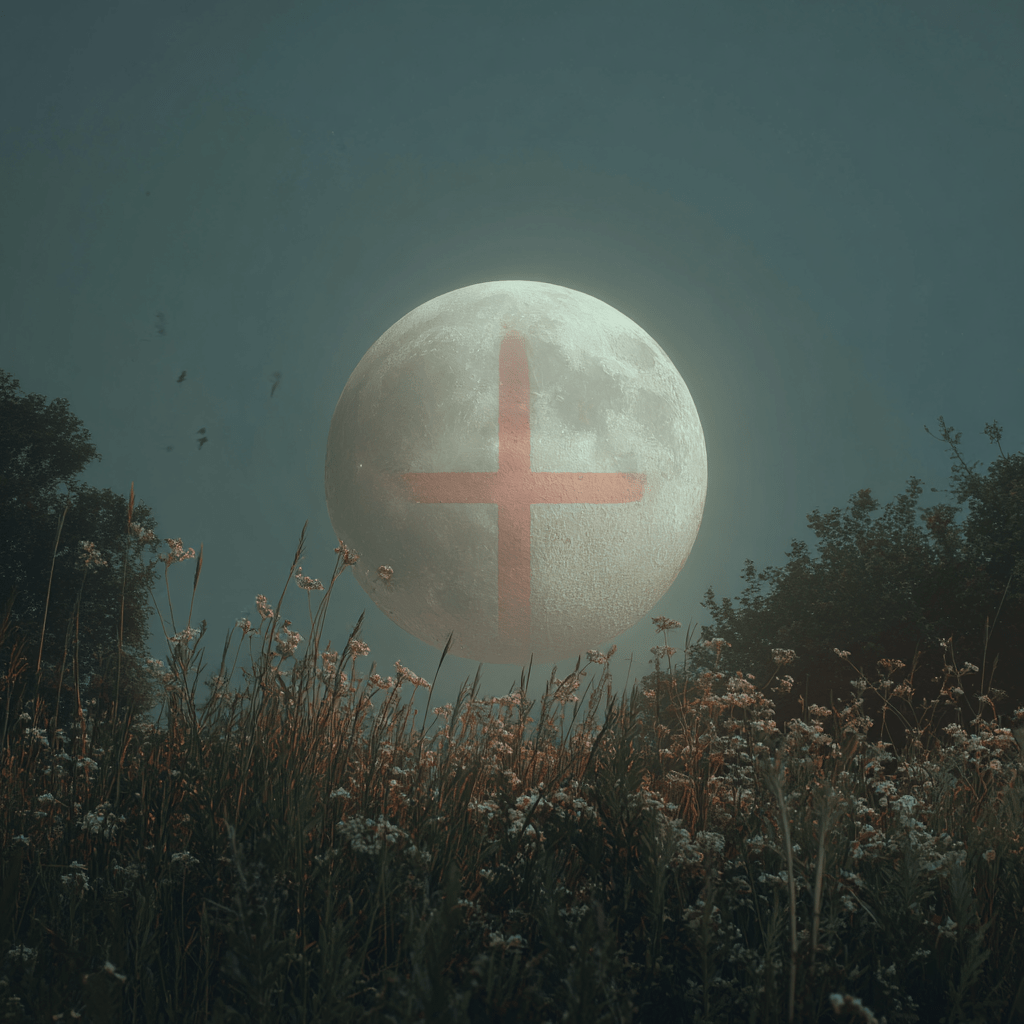
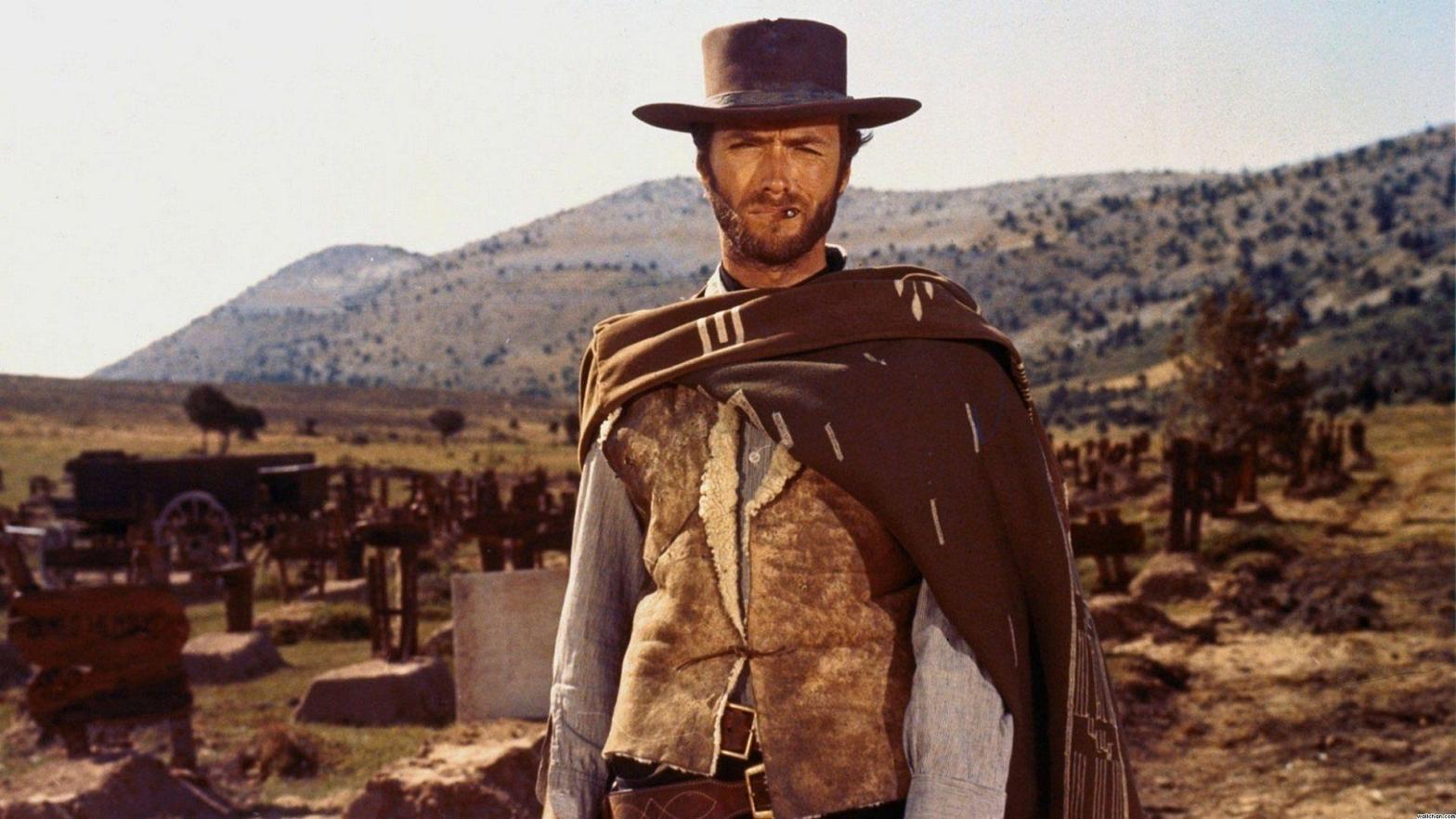
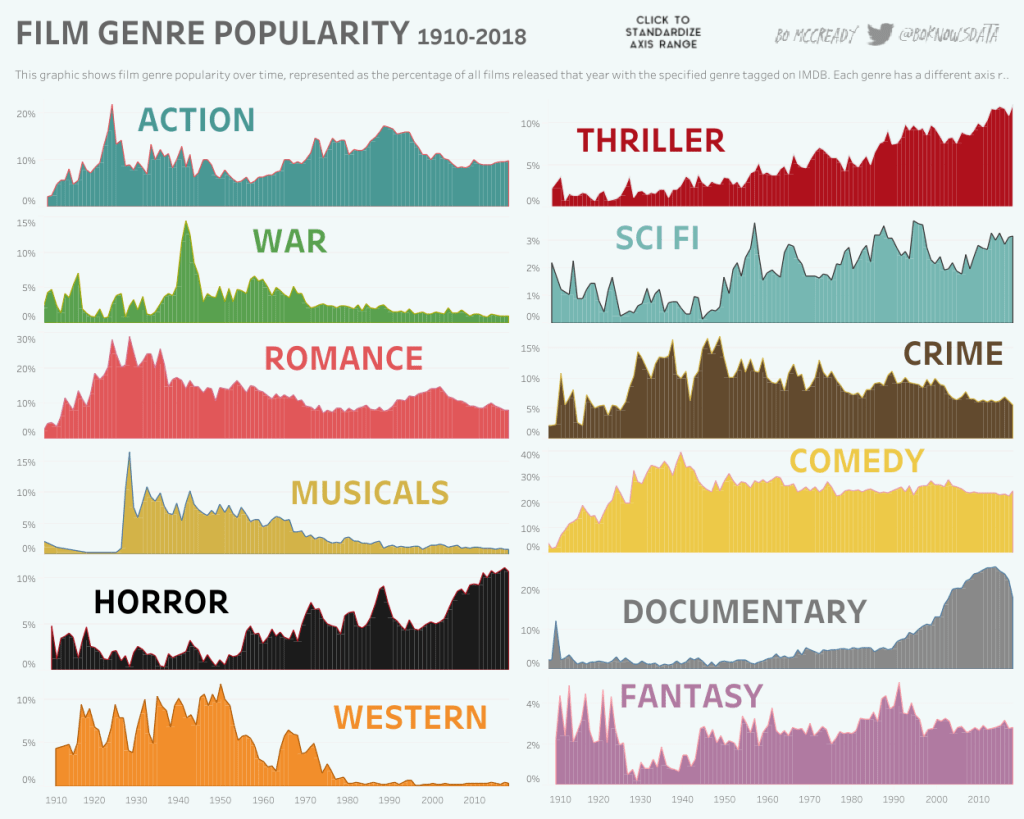
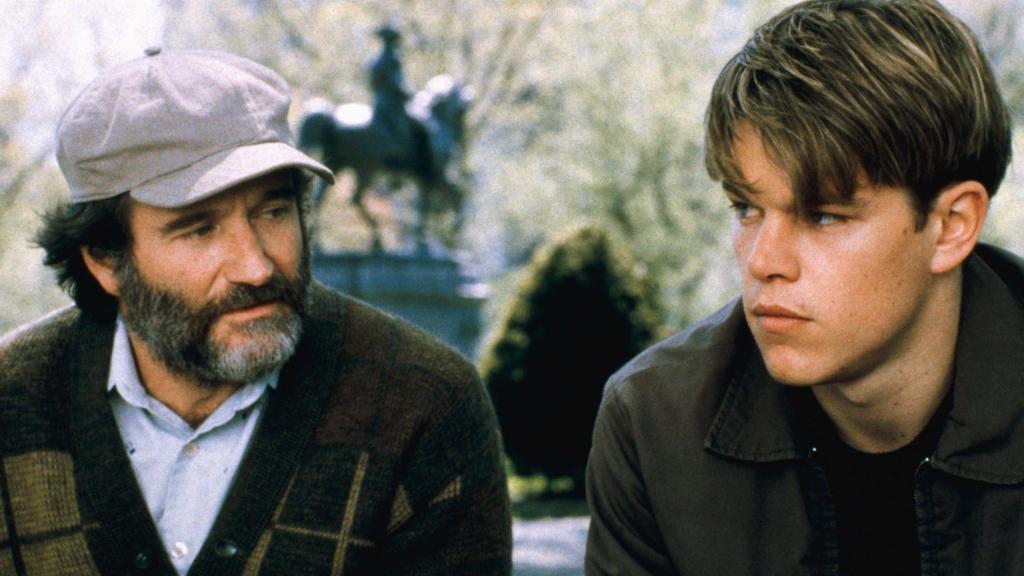
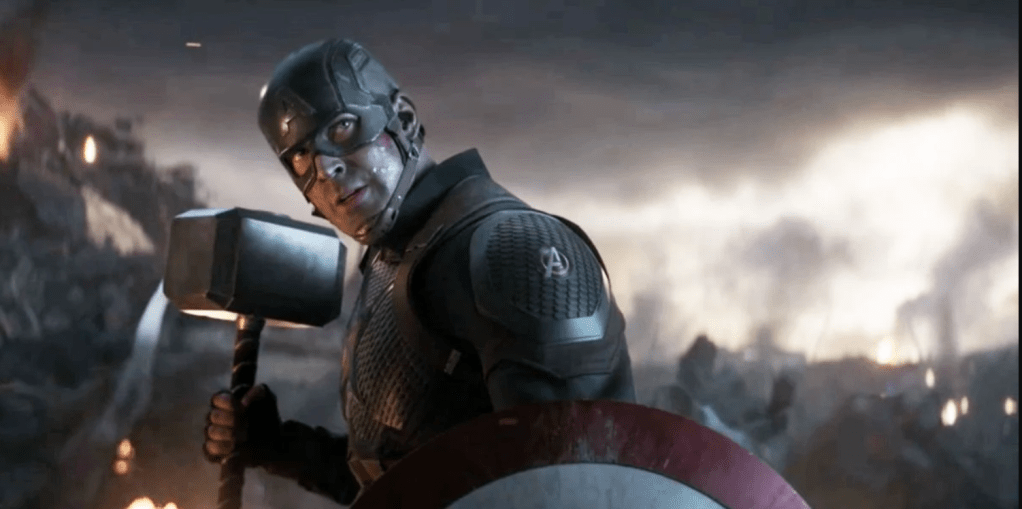

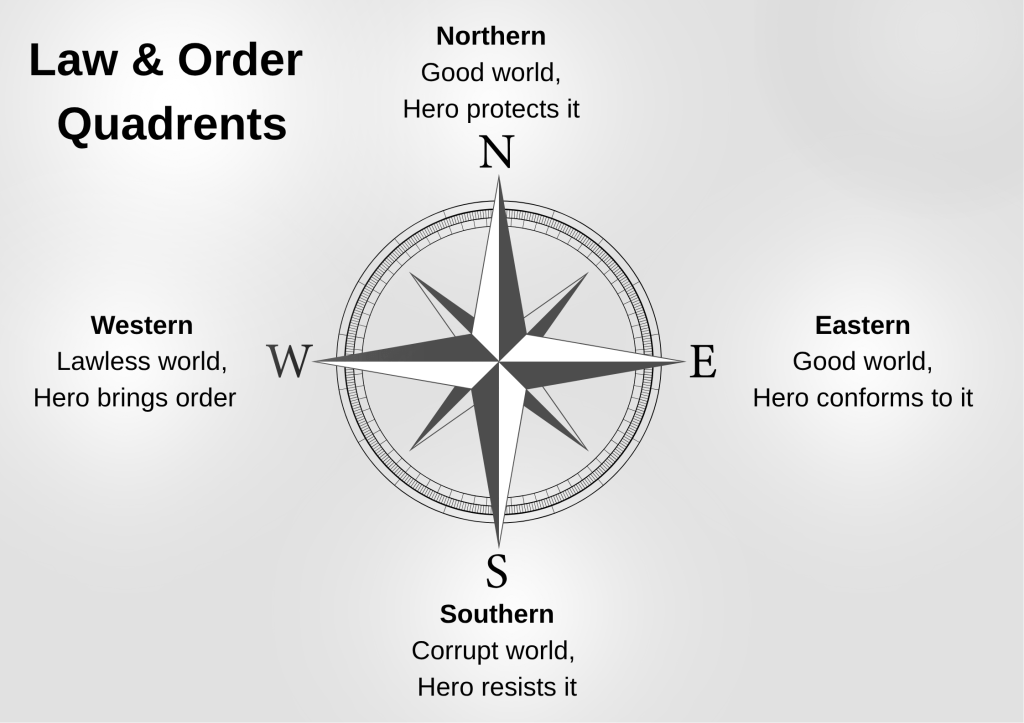
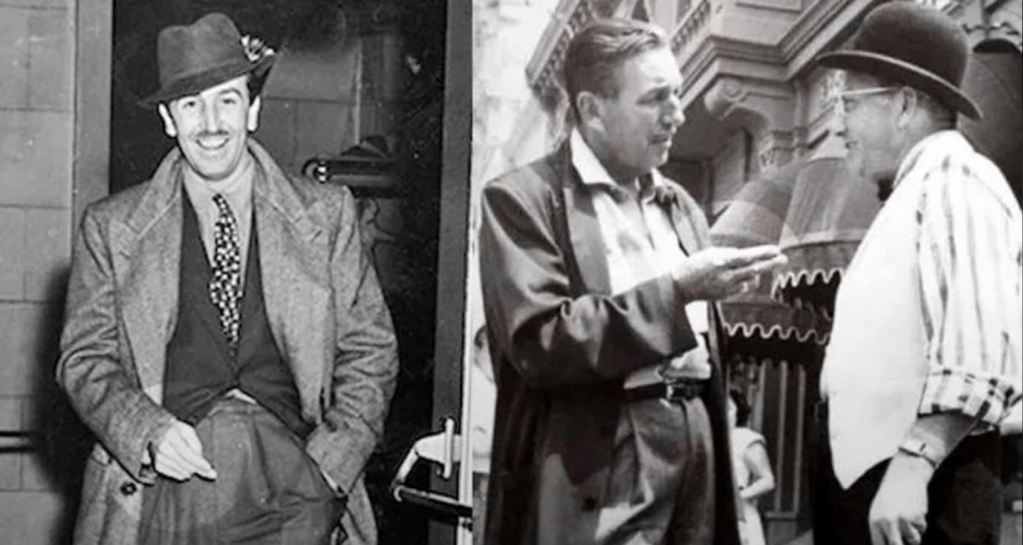
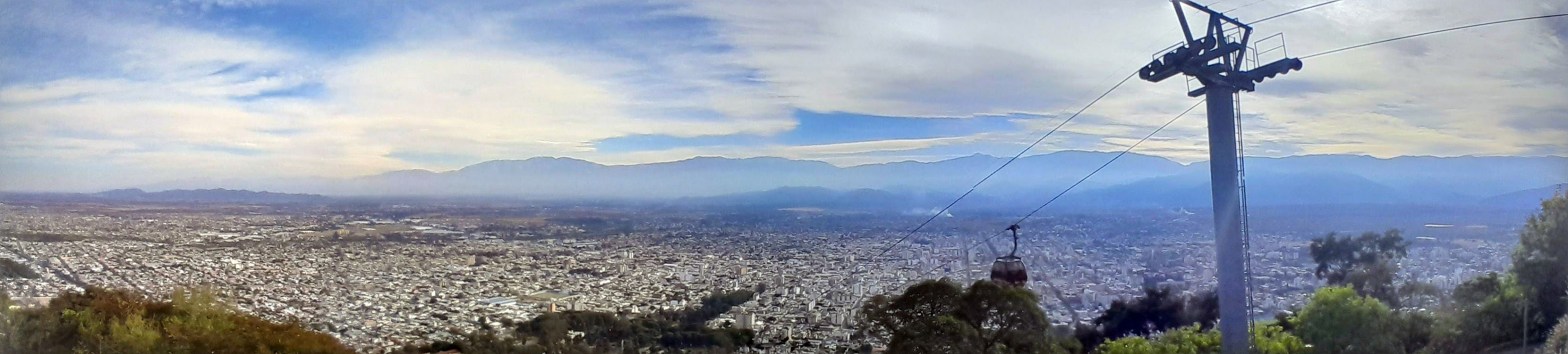
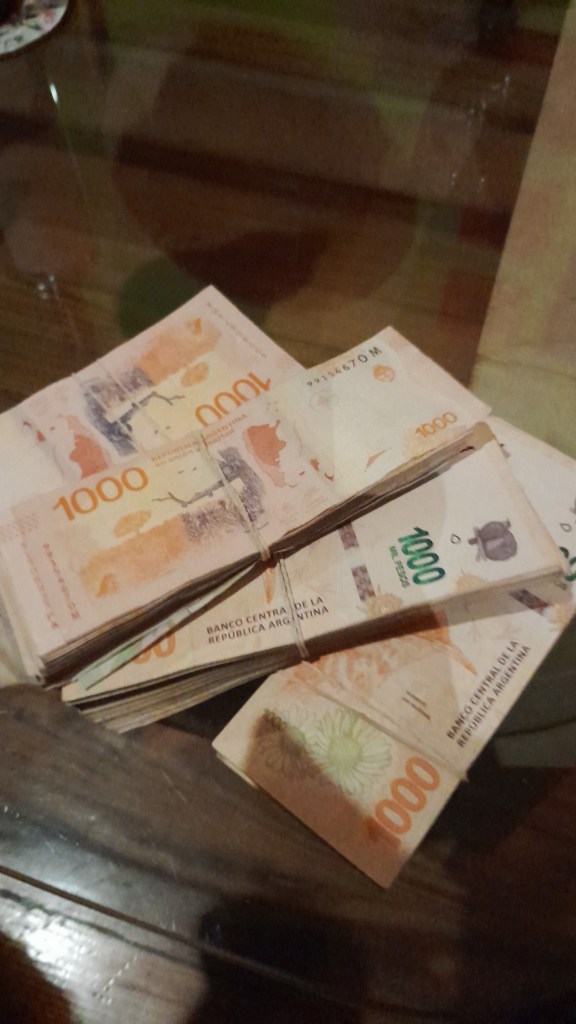
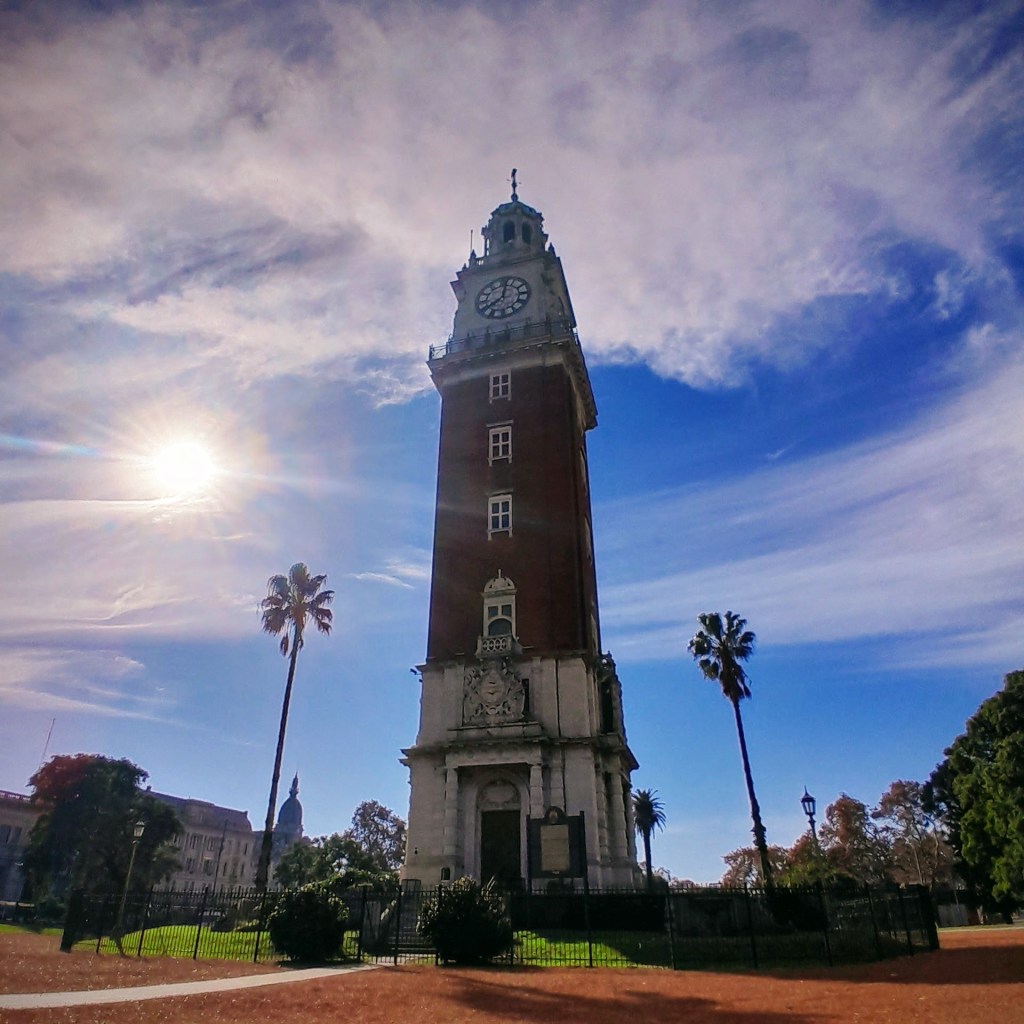
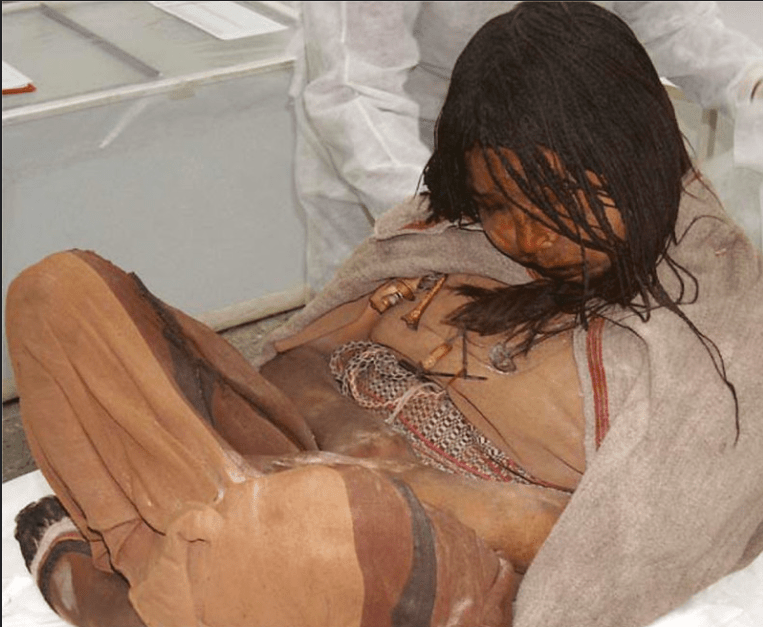
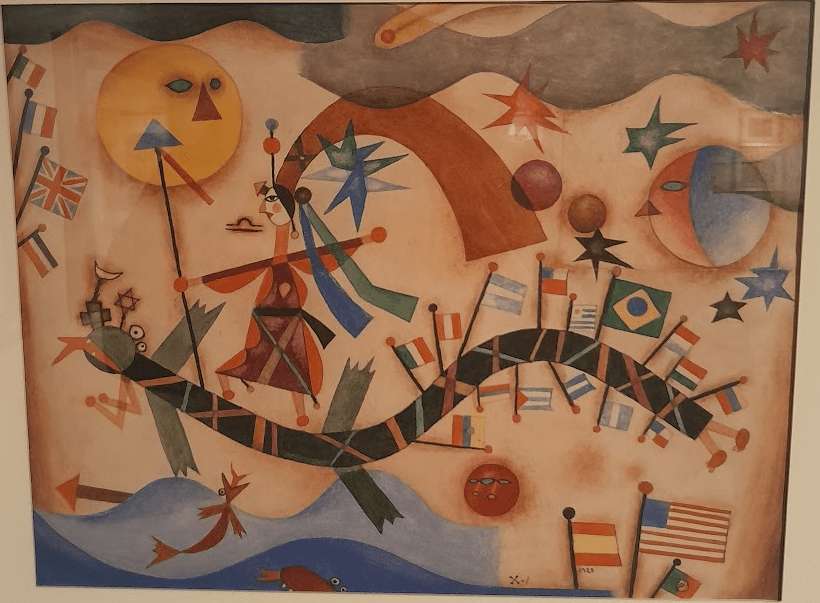
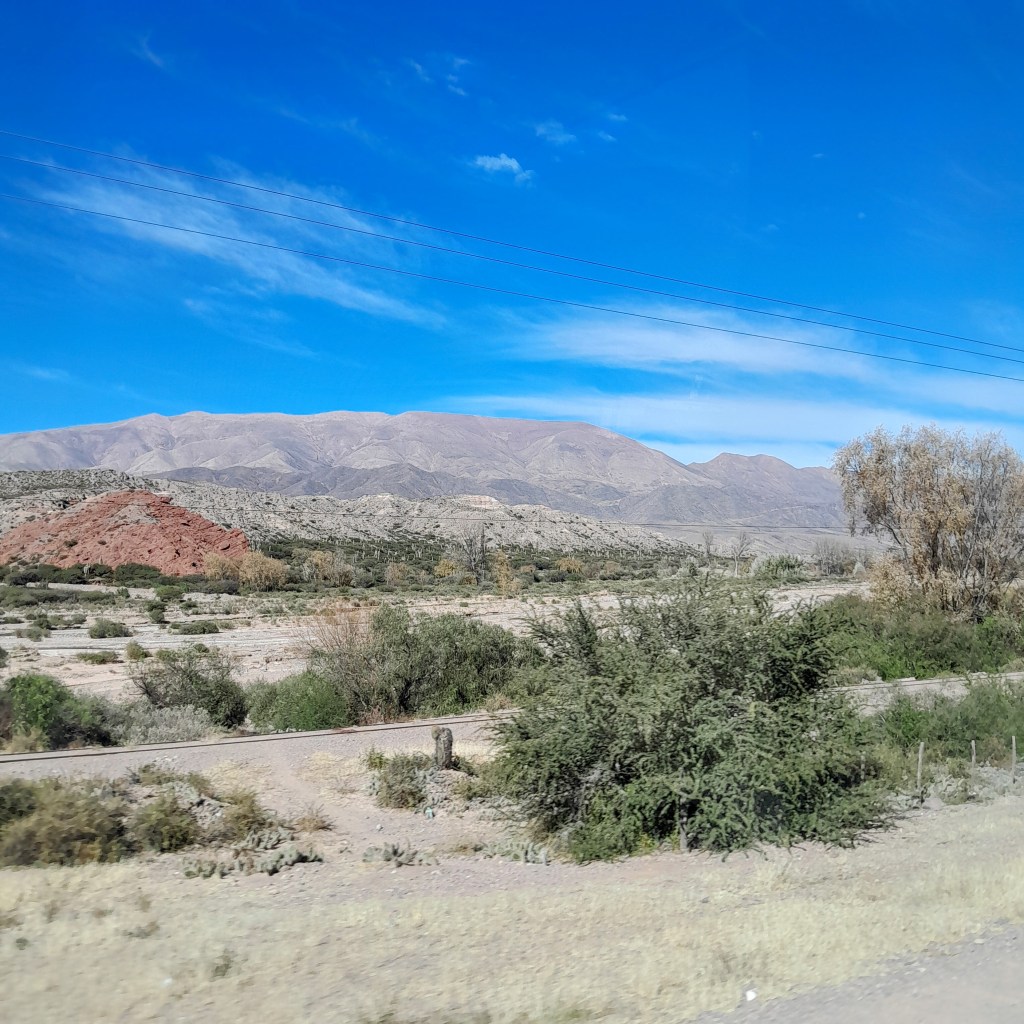
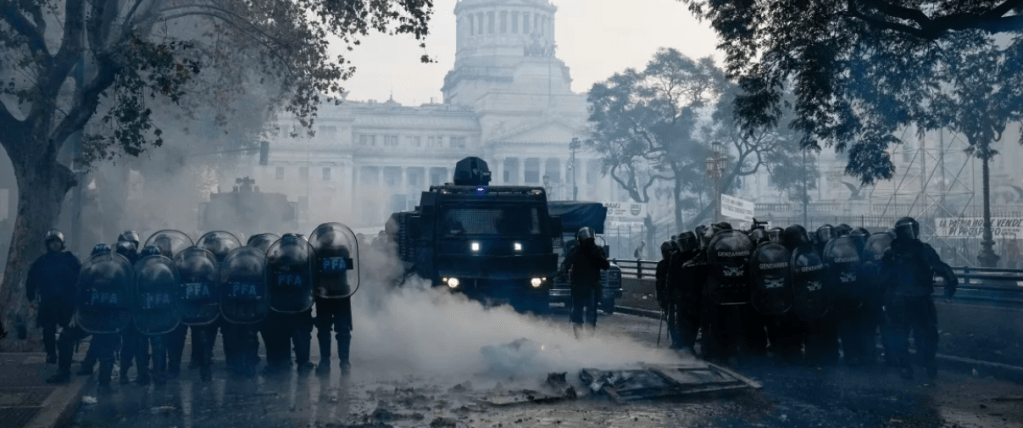

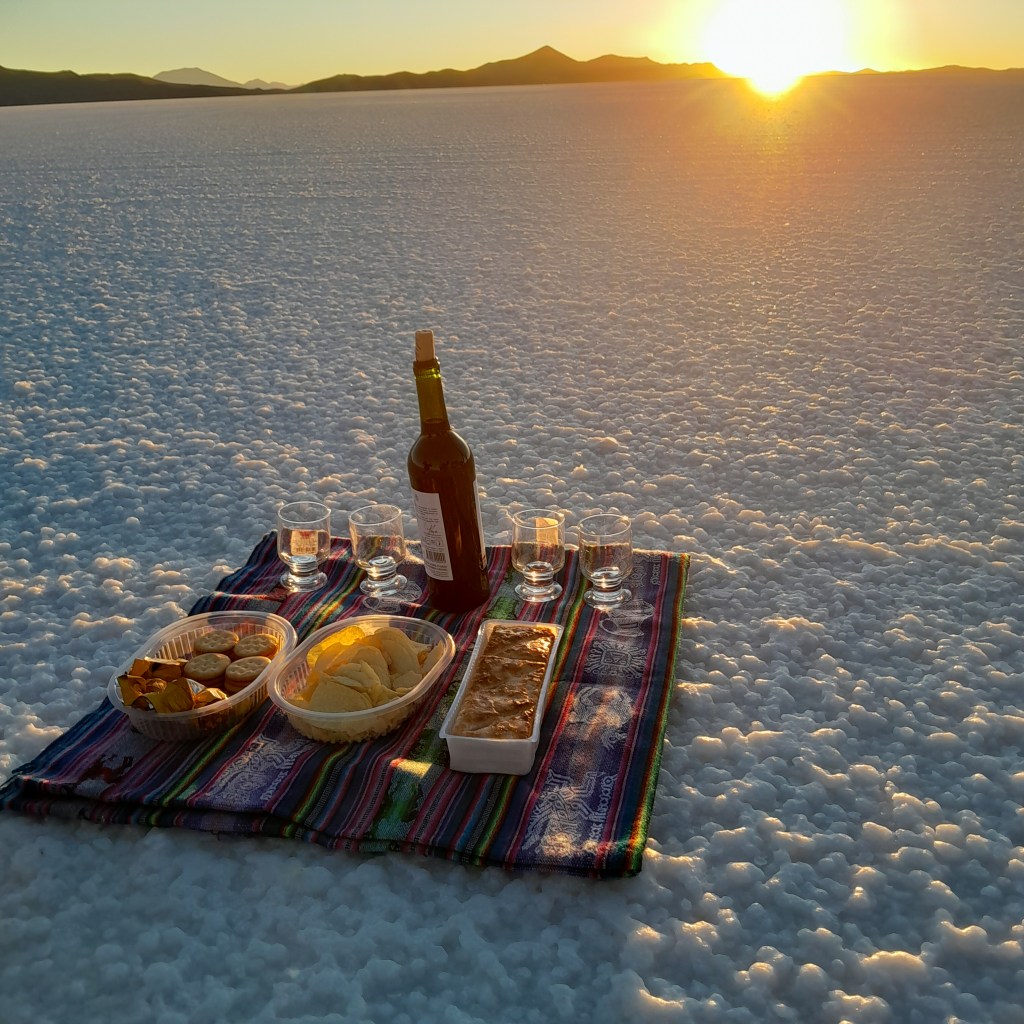
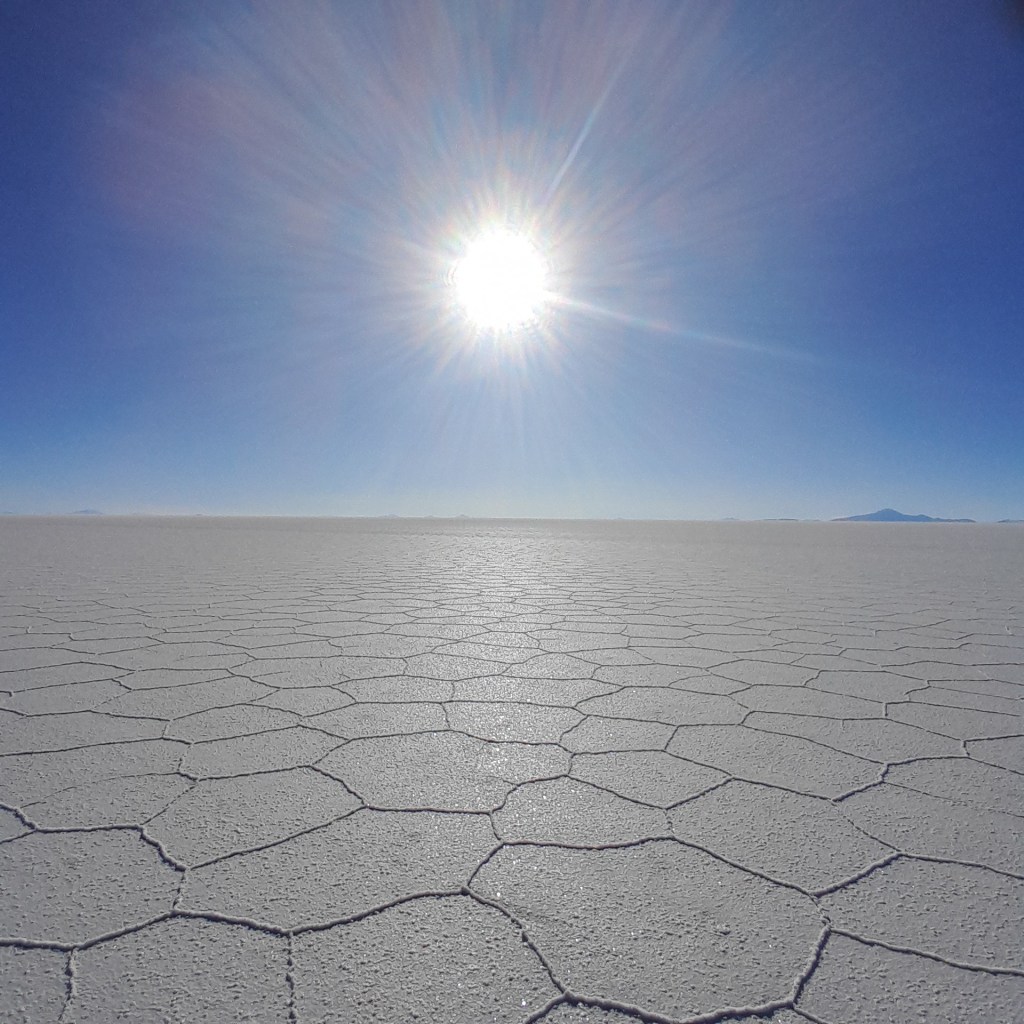
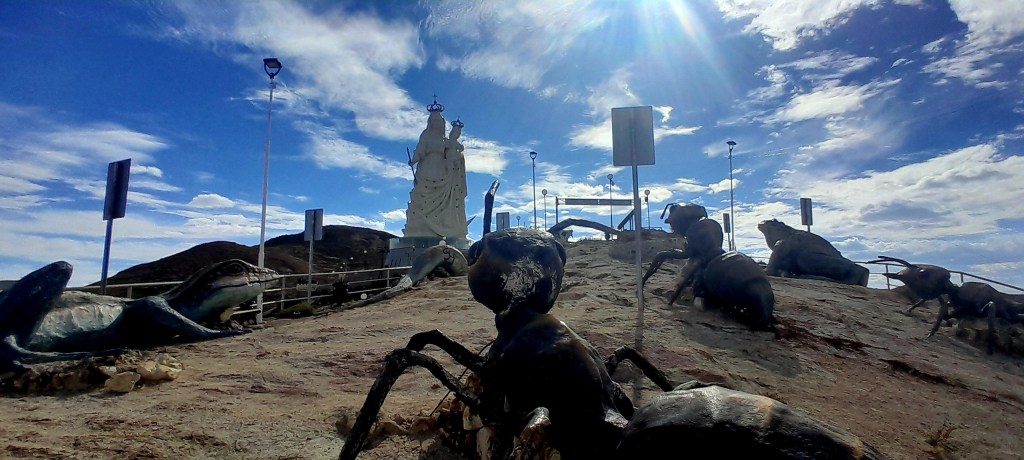
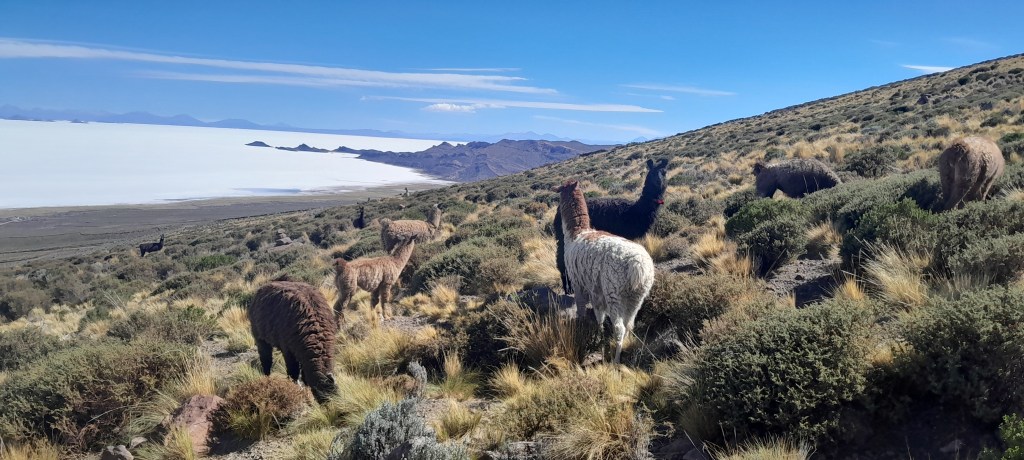

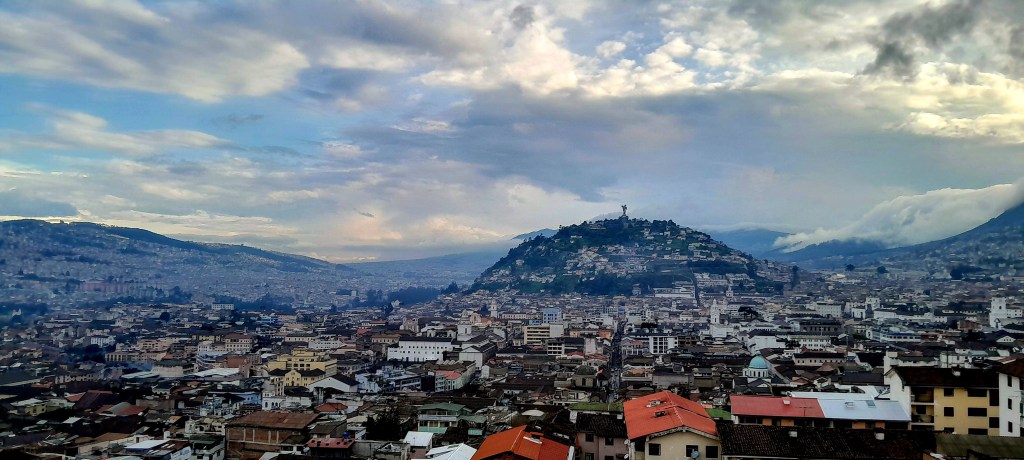
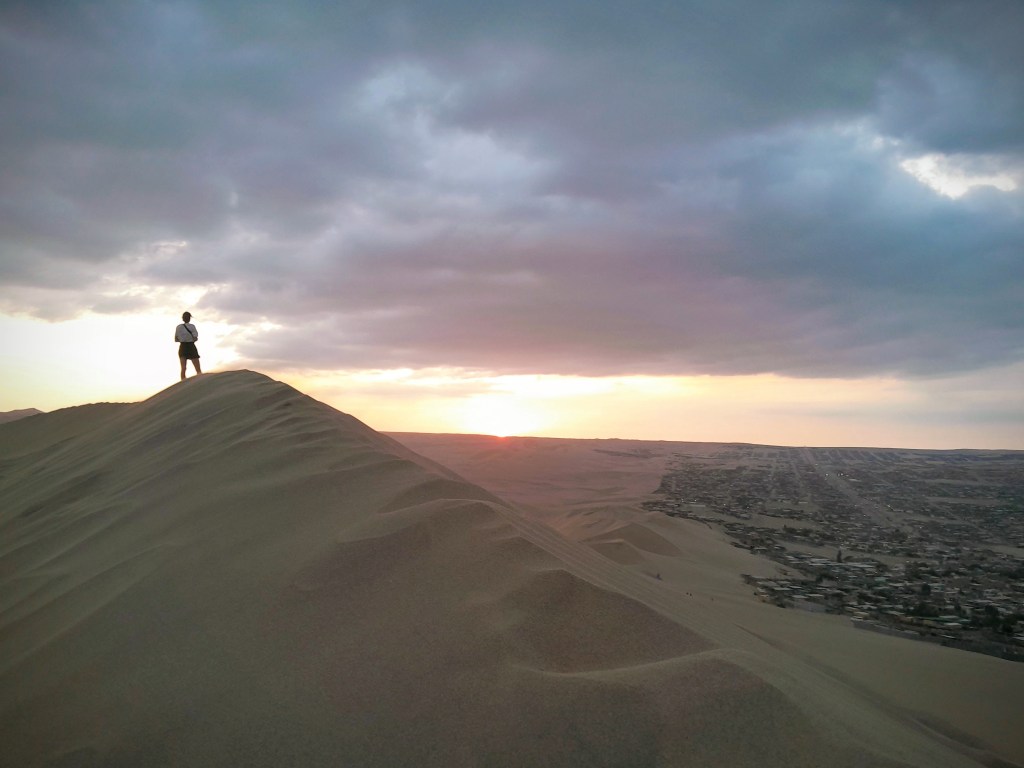

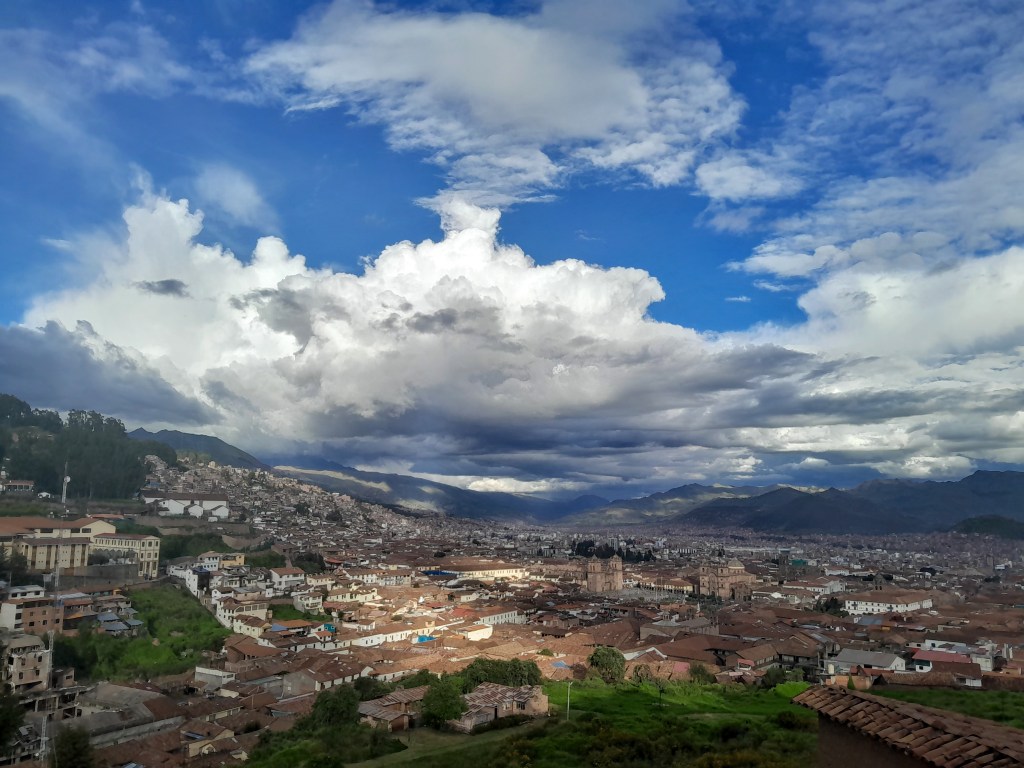
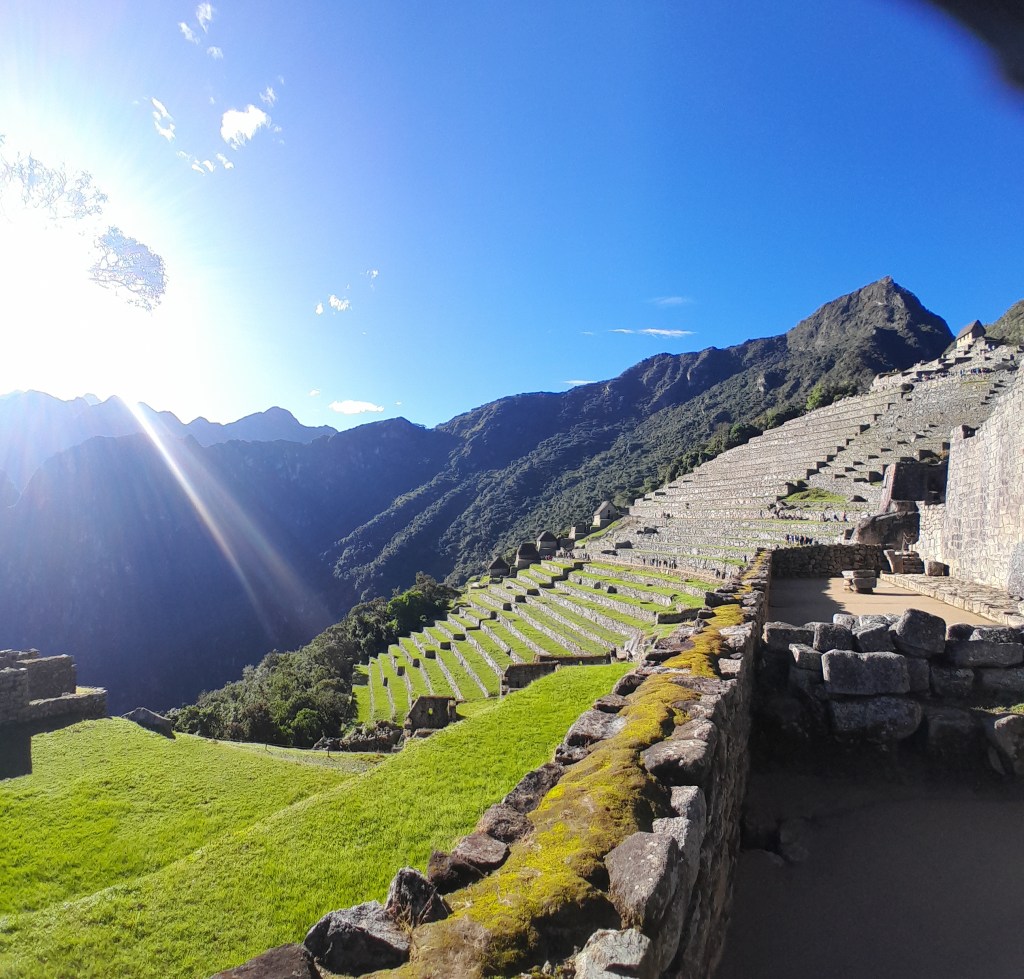

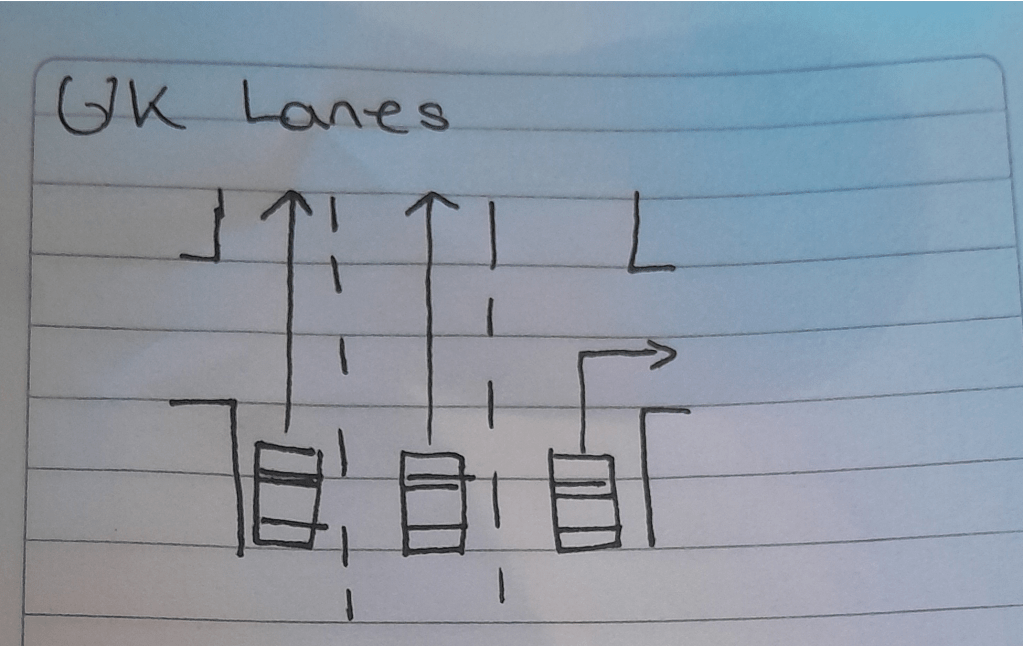
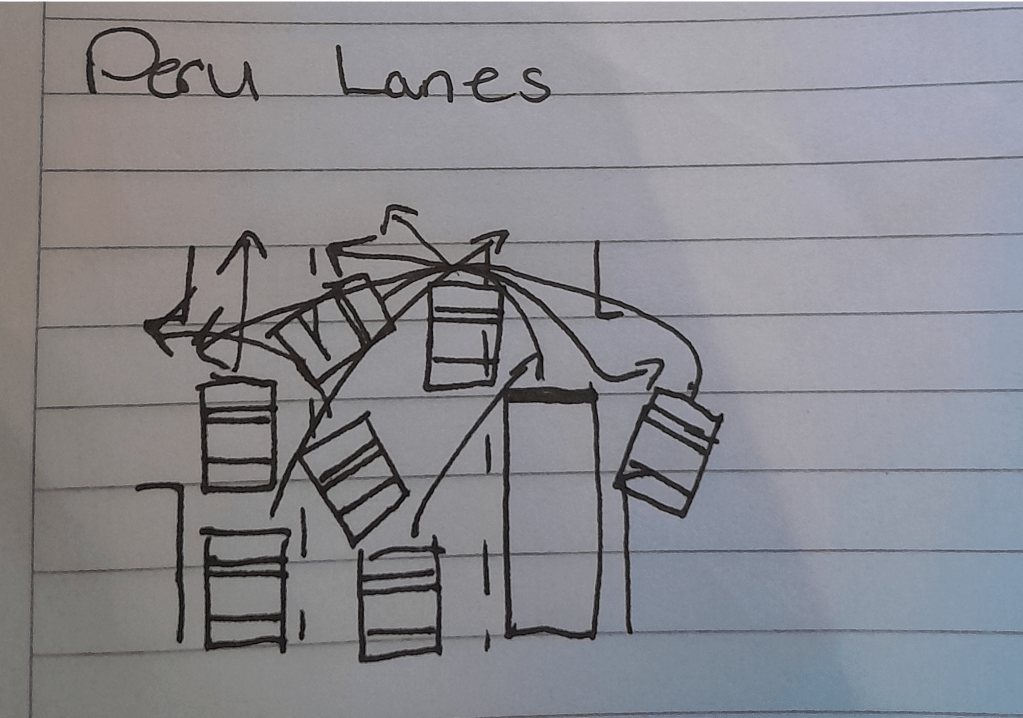
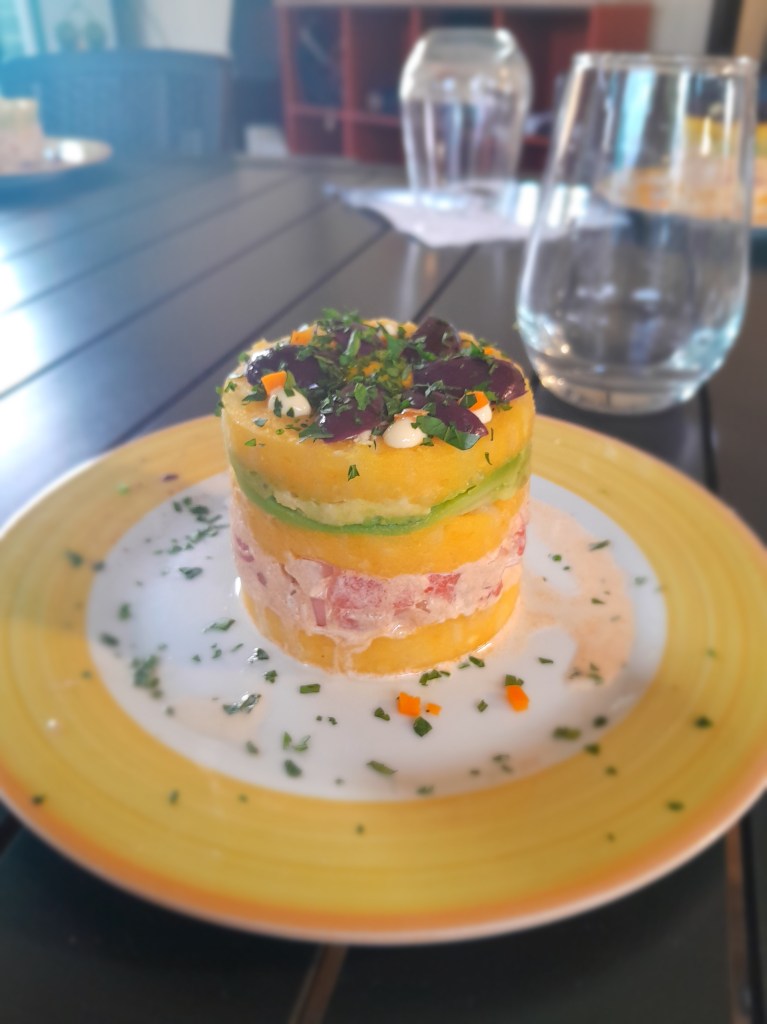
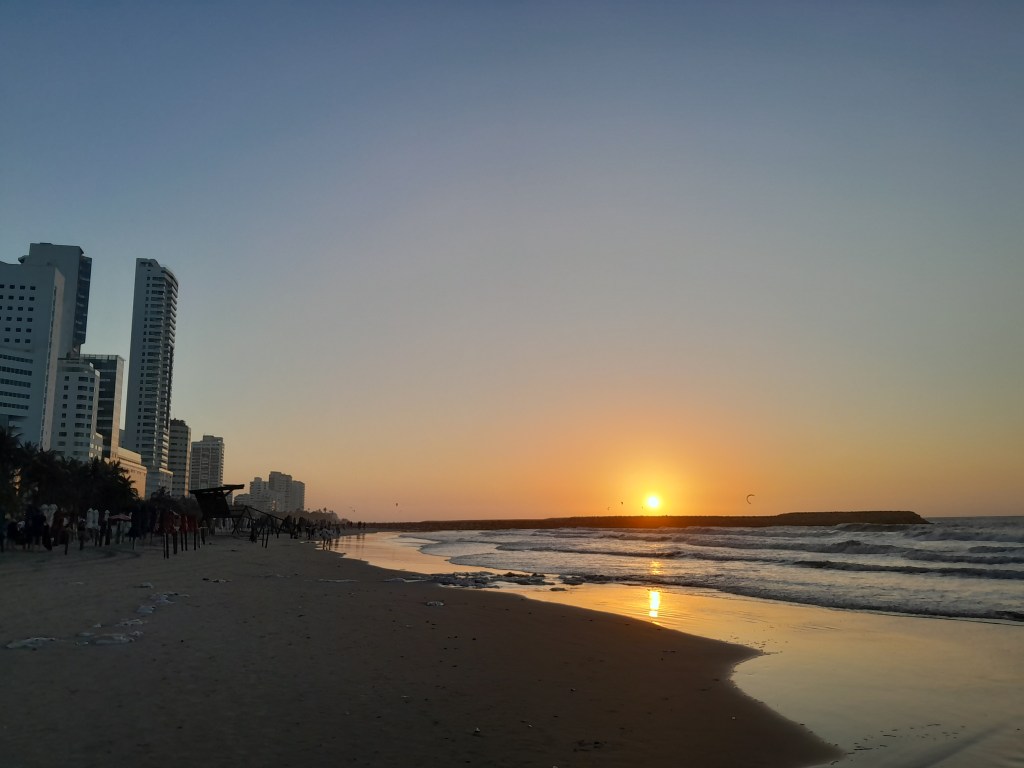
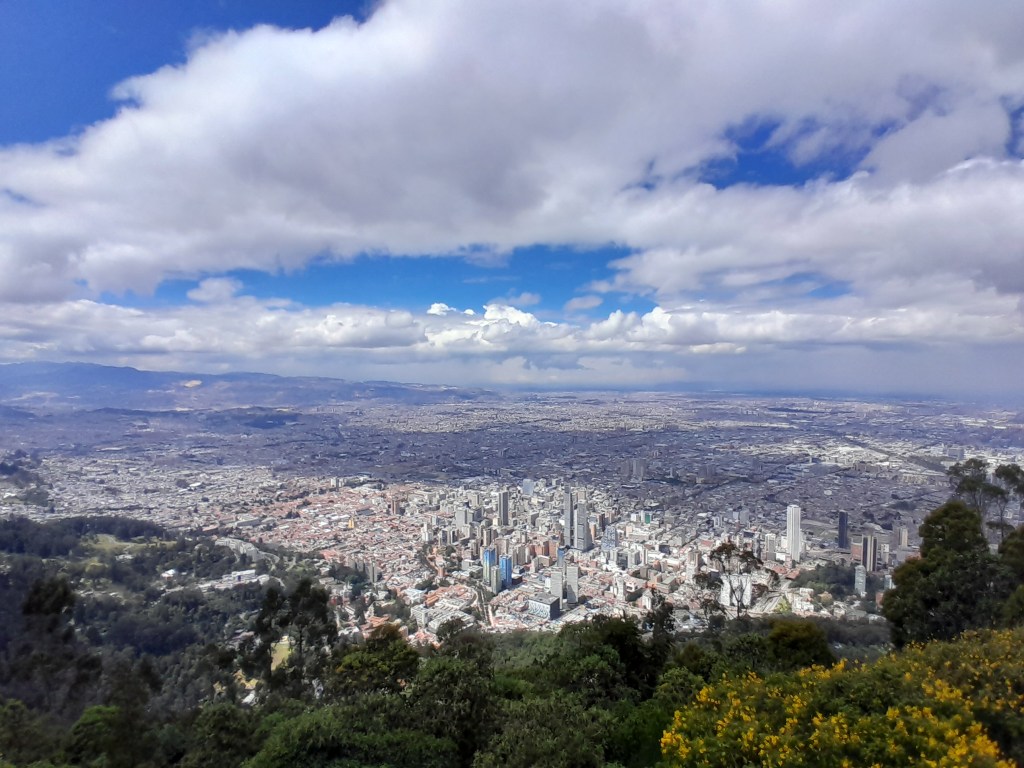

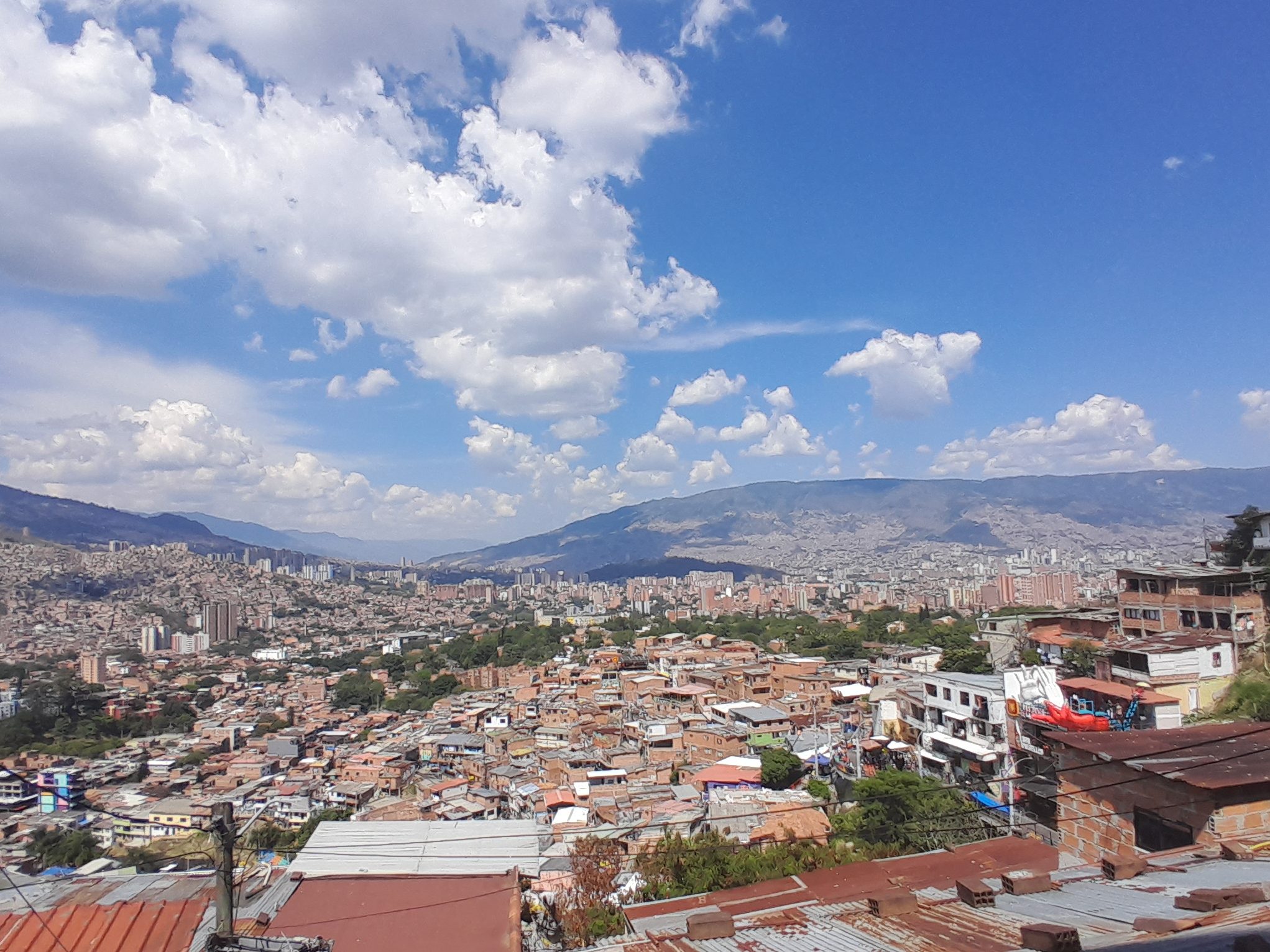


 Smarticles