“You see, that money should be going to look after our pensioners”
My eyes were drawn to the little fleck of foam gathering at the corner of his mouth, dappled white highlighted against the yellow of his teeth and the rosy red of his cheeks.
I agreed. Then I thought of all the other places that money could be going. To our children. To our hard-working compatriots who work fingers to the bone making billions for other people every day. To the nurse who scolded a doctor for being mean to my gran. To my binman who picks up the detritus of my life every Tuesday and takes it away.
The man started showing me a video on Facebook, liked and shared by thousands.
In it, a crowd gathered in white hot fury, shouting at a too-thin man, all bones and wide eyes and brown skin, a universal look of fear and desperation on his face. I think briefly of Zuck, with his PR curled hair, curated silver chain, and billions of dollars.
I have a bit of the man’s spit on my face now. I can feel it. Do I wipe it off? Maybe he will. The image of him caressing his spit off my face pops into my head, and I recoil. That would definitely be worse.
At least it’s not blood, I reflect. It’s not the maimed remnants of my loved ones, blown apart by a missile, driven by technology from BAE Systems. Up 28% this year. Lucky them.
It’s fine, it’s just a little bit of spit. It could be worse.
There’s a pause in the man’s tirade, but before I can speak, he sucks in a great whoosh of air. His big gulp pulls all the oxygen from the room. I feel it rushing out of my lungs, and suddenly I can’t breathe.
I pass out, I think.
When I come to, night has fallen. A thin mist sits over the ground. I don’t know how long I was out. I sit up, heaving in great gasps. As I look, the moon casts its shadows, silver and delicate and long.
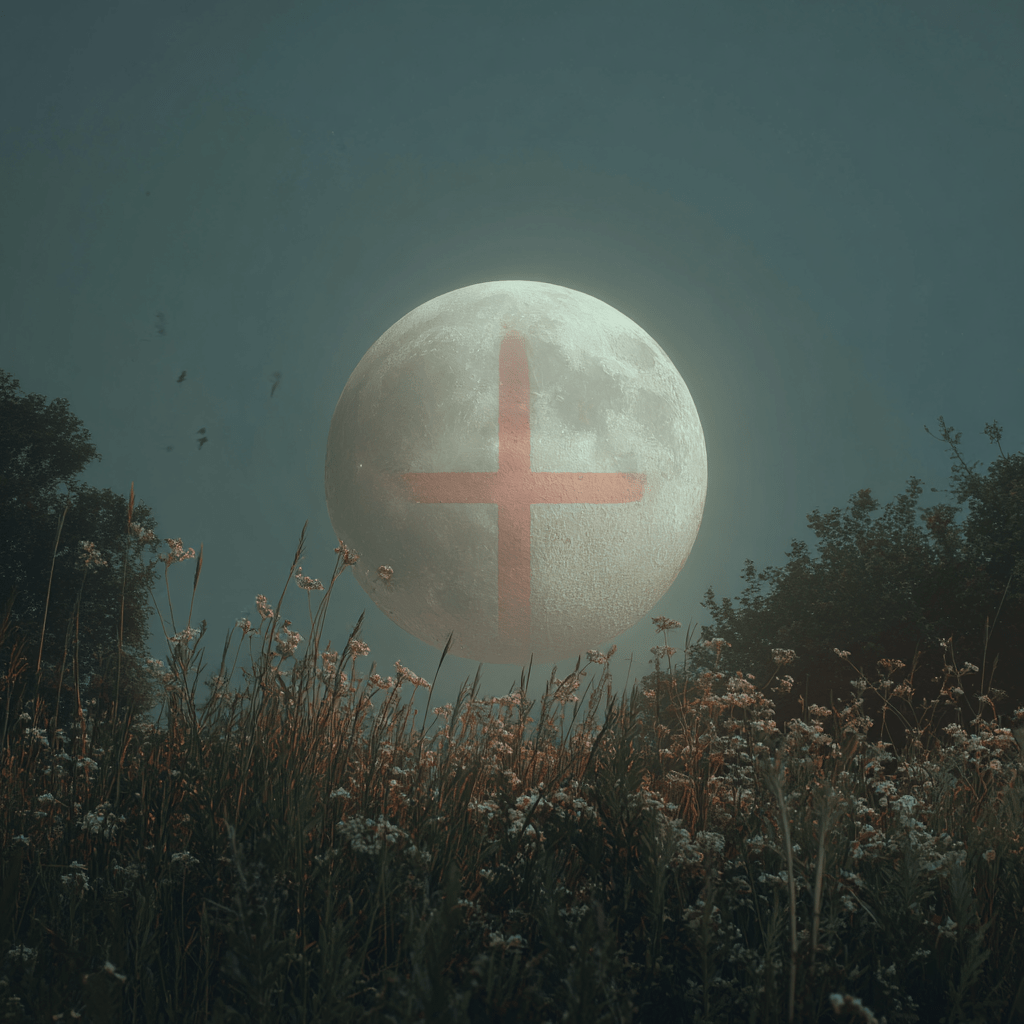
“Good”, I think “, some things never change”. The cycle of the moon. I smile and look up to see a familiar face. Someone has painted a giant cross of St George over its surface. It’s still the moon, but now its craters and ridges and ancient regolith are split by deep crimson.
Sombrely, I look back at the ground and rise gingerly to my feet. I wipe my face. I try to remember the way home.
Timothy Snyder’s book On Tyranny points to 20 lessons to help us think more about the world. Democracy is not a right, it’s a luxury. Freedom isn’t a given; it was taken through decades of struggle and revolution. They are delicate and fragile things, easily broken by the broken people currently in charge of the world.
Do not obey in advance – Authoritarians rely on people pre-emptively adjusting their behaviour to align with expected rules.
Defend institutions – Courts, media, and democratic structures only survive if people actively support them.
Beware the one-party state – Dominant parties erode checks and balances, undermining democracy.
Take responsibility for the face of the world – Small signs (symbols, slogans, propaganda) normalise tyranny if left unchallenged.
Remember professional ethics – Lawyers, doctors, police, and civil servants have moral duties that must stand above obedience to power.
Be wary of paramilitaries – Extra-legal militias or “volunteer” forces often signal growing authoritarian control.
Be reflective if you must be armed – Soldiers and police should consider whether orders are lawful and moral.
Stand out – It takes courage to resist early, but visible dissent inspires others.
Be kind to our language – Tyrants corrupt truth with clichés, propaganda, and euphemisms; resisting requires clear, honest language.
Believe in truth – Facts matter; without them, there is no way to resist manipulation.
Investigate – Read widely, especially print journalism, to avoid being trapped in echo chambers.
Make eye contact and small talk – Social trust and human connections build solidarity against fear and isolation.
Practice corporeal politics – Show up physically: protests, town halls, community meetings matter.
Establish a private life – Protect your privacy from surveillance and intrusion by the state or corporations.
Contribute to good causes – Support organisations that defend rights and democracy.
Learn from peers in other countries – Democracies elsewhere may already face what yours could face; watch and learn.
Listen for dangerous words – Phrases like “terrorism,” “extremism,” or “traitors” can be weaponised to justify repression.
Be calm when the unthinkable arrives – Crises are exploited by authoritarians; keep perspective when shocks occur.
Be a patriot – True patriotism means serving democratic ideals, not a single leader.
Be as courageous as you can – Freedom depends on individuals taking risks, however small, to defend it.
 Smarticles