The first thing that you notice from a distance is usually the colour. Bright but tasteful, tipped with a futuristic blue pinpoint glow. As you get a little closer, it begins to scintillate your other senses. Sweet clouds billow across the space and fill your nose with fruity aromatics. When you take a drag, there is a kick as the vapour hits the back of your throat and fills your chest. And when you pull away, ready to exhale, your lips are teased with a sweetness – like some sort of tropical essence. Sounds great, right?
For those who don’t know, the Elfbar is a small, lipstick-size nicotine vape pen which has taken the scene by storm. You can buy it everywhere: online, in vape stores and in most corner shops. Their popularity is exponential and, as with any craze, it’s interesting to understand some of the potential reasons why this seemingly innocuous, fruity little handheld nicotine dispenser has become so popular.
Talent is hitting a target no one else can hit; genius is hitting a target no one else can see
Elfbars have managed to crack a couple of serious problems that have plagued the vaping industry in the decade since its inception.
- Technically, it’s not a tobacco product
Since it became clear in the 1960s that tobacco products cause cancer (despite almost every effort from big tobacco to distract and confuse the issue), there have been countless laws and departments set up globally to regulate its use and help protect users. From the World Health Organization to the Chinese Ministry of Health to the American Alcohol, Tobacco and Firearms (ATF) law enforcement agency – tobacco has been subject to mountains of legislation and scrutiny from hundreds of eyes throughout the world. And this applies to products that have been derived from tobacco too. This means anything that has been made from or with a tobacco plant, or has used tobacco at any point in its production, is subject to the same scrutiny as tobacco itself. So if I want to use tobacco-derived nicotine in my brand new vape pen, I need to make sure that I meet the regulatory and safety standards of the various countries and authorities, or else I’m in trouble.
This is a problem for the vape industry because it means that any nicotine that comes from tobacco is often subject to the same regulation and scrutiny as tobacco itself. This scrutiny could impact profits. So what’s the best way to overcome this hurdle?
This is where the first genius stroke comes to play for vapes such as the Elfbar. The Elfbar, and those like it, use synthetic nicotine. This is created fresh in a lab from base chemicals and, despite having an identical chemical makeup to tobacco-derived nicotine, is technically not a tobacco product. This helps to circumvent that pesky, profit-preventing protective legislation that has been set up over the last 70 years to govern tobacco products.
- The best business models provide predictable revenue
One of the biggest promises that vaping made to users was the level of choice that it presented. With a single big purchase, they could have a vape for life. With some minor upkeep, changing a coil here and a battery there, your vape could keep going for ages. The other thing this did was opened up a vast range of choices for the consumer. Different flavours, experiences, character and nicotine content. Various providers, commercial experiences and customer care. The reusable vape opened up a thriving and competitive buyers’ market where consumers could quite literally pick their poison in ways that were never previously possible, even during the glory days of big tobacco.
This is a problem if I’m a vape manufacturer who wants to maximise my profits. I don’t want to turn vaping into a hobby sport. I don’t want profit to go to other niche e-liquid producers or superior coil manufacturers. And, I don’t want people ingesting less of the addictive substance that will keep them coming back. I want people to be incentivised to reliably buy my product all the time, over and over again. This is where the second stroke of genius hits. Elfbars last for 1 or 2 days. They cannot be refilled. They cannot be reused. What could be seen as waste by other sectors is marketed by Elfbar as simplicity. This means when the insipid clouds finally stop drawing from the Elfbars’ sleek black mouthpiece, the only option is to throw it away and pay a premium for an entirely new Elfbar product.
Think about this from a revenue perspective. This means that for every customer who is habitually using an Elfbar, there is guaranteed revenue, to Elfbar and the Elfbar alone, of around £700 per annum. This type of metric is a shareholder’s dream (and an environmentalist’s nightmare).
- The best product is one that keeps you coming back for more
Elfbars contain 20mg of nicotine. They use a nicotine salt rather than liquid or “freebase”. This is marketed as a smoother hit. In reality, nicotine salts release nicotine far more readily and far more potently than traditional e-liquids, meaning that users get a bigger hit per puff than other mediums, including even cigarettes.
In a cigarette, most of the nicotine will burn off. This means that, despite containing nearly 20mg of nicotine, a user will only consume around a fifth of that amount per cigarette. Comparatively, the atomising technology used in vapes means that the delivery of nicotine through the vapour is much more potent. Curiously, for Elfbars, their atomisers are developed and manufactured by a small company in China, otherwise specialising in commercial fans.
So, ex-smokers are getting more of a hit than they’ve ever enjoyed before. And non-smokers, people who have bought an Elfbar in a corner shop and only started to vape because it’s colourful and tastes nice – they are getting a hit that not only rivals but supersedes the nicotine hit that most people got when they tried their first cigarette.
Finally, traditional vape e-liquids used to taste horrific. They were bitter, foul-tasting syrups that would make you splutter if you got any in your mouth. One of the main evolutionary purposes of taste is to detect poisons. Most poisons taste bitter*. Nicotine is one of the most toxic substances on the planet, hence its use in pesticides, so it makes sense that e-liquids would taste bad. Not the Elfbar juice though. That tastes sweet. The designers of the Elfbar have created the pen so that it leaves a sweet residue on your lips after you have taken a drag. And if there’s one thing the brain loves nearly as much as nicotine, it’s sugar.
*Not all poisons are bitter. Lead poisioning was incredibly common throughout history before people began to suspect the metal was toxic. It was used in everything, in paint, fuel and even to make toys. This was a problem as one of the biggest risks was to children. Why? Lead tastes sweet. Prior to the first attempts to ban lead paint in the 1920s, one of the easiest ways a child could be exposed to lead poisoning was by licking the sweet lead-painted walls at home.
Slugs and snails and puppy dog’s tails
So Elfbar’s are genius. They have a sleek, modern brand aimed toward young people. They smell good, they taste good. They feel good. You can buy them everywhere. And when you’re done, you can buy another one and another one and another one; for a premium of course.
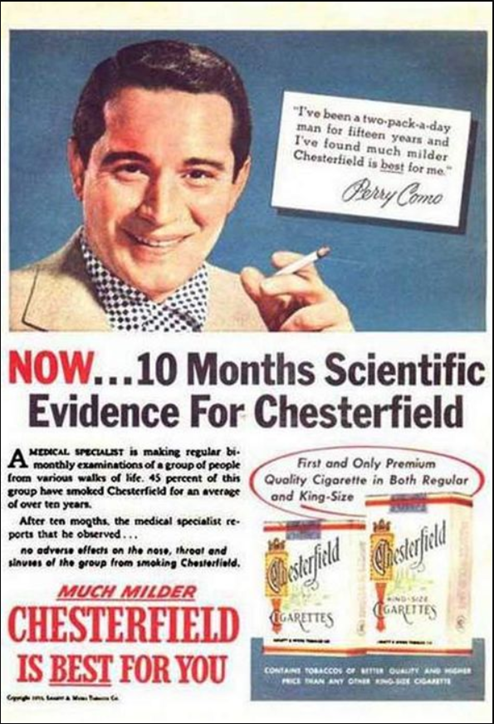
Just like the big tobacco companies before them, this style of vape represents a pinnacle of a collaboration between business people, fashionistas and scientists.
Despite the environmental concerns, the deliberate avoidance of regulation and the intentional trashing of the planet, one of the most concerning things about the Elfbar is that it is really hard to find out who makes them and where the money goes.
Fairly standard questions we would ask of most products we put into our bodies remain utterly unanswered in the case of the Elfbar. Who makes it? Who owns the IP? Who manufactures them at such scale (the company that makes the atomiser for Elfbar has posted revenues of around $2.5M – which feels small for the scale of production seen in the UK). Does this mean there is an external investment? If so, from who? Most importantly, where is the money is going?
Why is this important? Because when regulatory bodies finally catch up and the evidence is finally in, people deserve to know who came up with the idea to hook their previously un-smoking kids onto fruity, glowing, overpriced death sticks.

 Smarticles