Read Time: 2 mins
Grandmother’s wisdom suggests that getting back up after a fall is important. It’s a metaphor and is designed to help us steer ourselves away from the incapacitating quality of despair. There is a rich tapestry of psychological reasons why getting up is important.
But that isn’t what this piece is about. Because to get back up, you have to survive a fall. And as we know from films like Fight Club, Batman and World War Z, falling out of planes is, in fact, incredibly common.
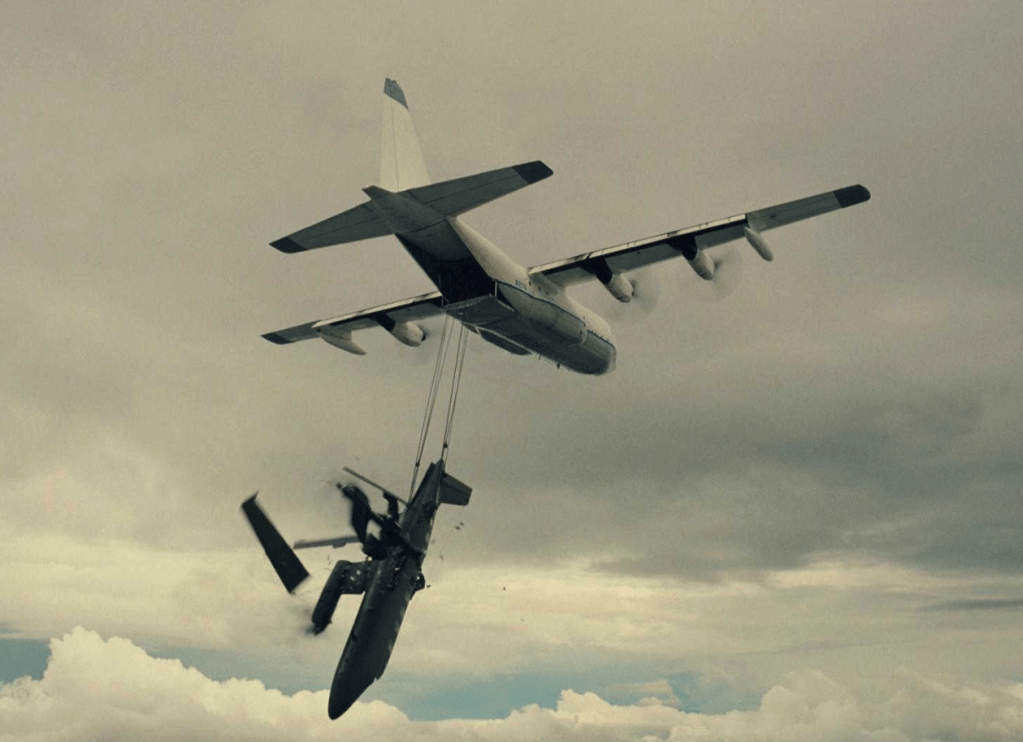
The advice below is to help you survive an actual, real-life, death-defying, Hollywood fall from a plane.
Key things to consider:
- You have 1 – 3 minutes before you hit the ground. Try not to panic as this time could save your life.
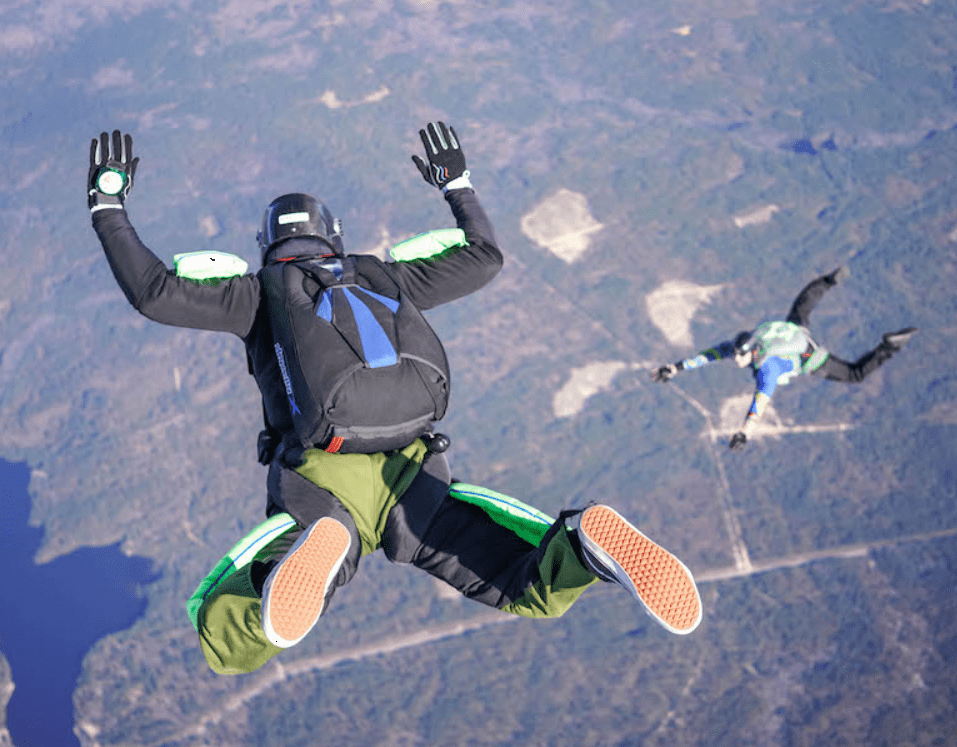
- You can steer:
- Forwards = pull your arms back at the shoulders and extend your legs straight
- Backwards = arms forwards and try and touch your head with your heels
- Left Turn= slightly dip your left shoulder
- Right Turn = slightly dip your right shoulder
- Although some people survive falls from great heights unscathed, you may need to call for help after you land. So don’t take a selfie on the way down and risk losing your phone.
On water:
- Water is tricky. It can hurt but there is a lot of evidence to say that a fall into water from a very high altitude is survivable.
- Frothy or bubbling water is preferable. The faster you are travelling the better some studies suggest. If you’re at sea, and you see a boat, then it may be prudent to aim for near the ship so that the sailors can help you out.
- To increase your chance of surviving, adopt a pencil shape so you land feet first, with your hands together over your head. This decreases the chance of head trauma or too many broken limbs and is the most common position falling survivors have reported taking.
On land
- Obviously try and avoid concrete, rock or other unforgiving materials. Best to avoid jagged and pointy things too. Ideally, you want soft ground like powder snow or a marsh. Thick vegetation is second best, but could also end up kebabing you so be wary (although it’s fair to say your options may be limited by this point).
- Gentle slopes are good as they will take away some of your momentum on the way down.
- You can travel a few miles horizontally in the time it takes you to reach the ground, so take some time to find the best spot.
- When nearing the ground, try to relax, bend your knees slightly and protect your head with your arms in case you bounce – it’s the second impact that is more likely to get you than the first.
Believe it or not, throughout history, there have been a surprising number of people who survive falling from great heights. All is not lost.
So, whether your plane has been blown up by an evil villain, and you’re one of those people who inevitably get sucked out of the gaping hole in the side of the plane, or if a superhero has just lasered the fuselage in half or if you simply need a break from those m*****king snakes, you have just increased your life expectancy.

The other option is that whenever you go on holiday, pack a parachute (most commercial parachutes for skydiving or base jumping will fit within the Commercial Airline’s ever-shrinking free carry-on luggage limit).
The above is for entertainment purposes only and should not be relied upon in the case of rapid and involuntary decent. Look at a quality range of skydiving equipment here: https://squirrel.ws/parachutes
 Smarticles